

Home Affordable Housing Page 7
Affordable Housing

- Research
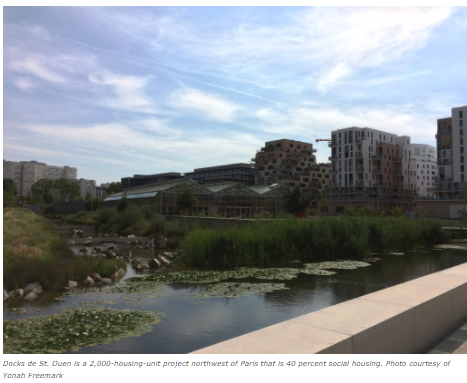
William Marble and Clayton Nall in the Stanford University Department of Political Science wanted to see what it would take to change people’s minds on development. They surveyed people in the 20 largest metro areas and found that people formed attitudes toward new development independently from their overall political ideology.Urban voters aren’t likely to embrace a strategy of getting out of the way and letting the market do its magic. Many are inclined, instead, to stand in the way to keep the market from doing harm. But if we were more honest about the limitations of the market, it would be easier to convince people that local governments can hold private development accountable for delivering benefits to people who are being left out.
- Research
Ending the limitations on new social and affordable housing created by what has been labelled Nimbyism Not In My Back Yard might require a top down legislative approach as well as a bottom up community engagement strategy.
- Research
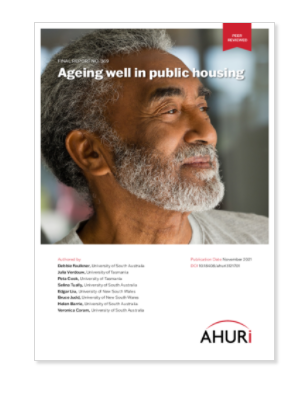
This research examines the policy and practice issues raised by the increasing demand for public housing among older Australians, and how public housing authorities (PHAs) can support older tenants to age well.It is both important and necessary to have frontline workers in the system (housing/property officers and tenancy practitioners) who are resourced and allowed to provide one-on-one support to address older people’s needs and issues.
- Research
NHFIC’s Social Bond Report provides insights into bond issuances, including borrower profiles and use of proceeds.
- Research
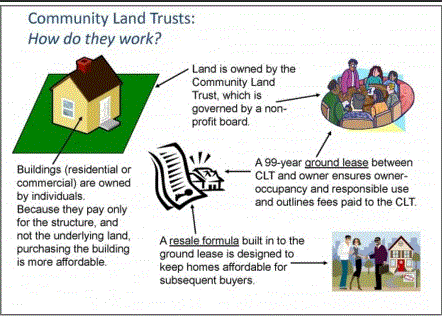
With a growing community housing sector that is being increasingly seen by government as the growth provider for affordable housing in the future and with organisations wanting to set up CLTs but lacking the knowledge to do so, Louise’s team set out to find a solution. As a result they developed two main options: long-term leasehold and shared equity of the entire house and land.
- Research
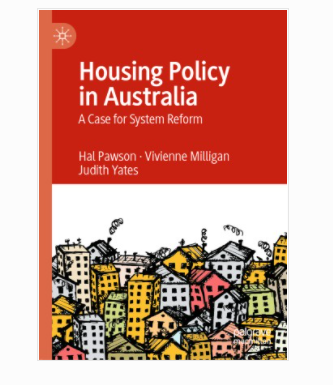
This book introduces the reader to the economics and administration of housing provision, it sets out strategic priorities for the transformational national housing strategy needed to improve affordability outcomes for the most vulnerable in Australian society. Offers a comprehensive grounding in contemporary policy settings of the Australian public policy housing system.
- Research
his paper provides an update on some aspects of community housing financing in Australia and complementary measures needed to close the funding gap that exists for community housing.

- Research
Annual research tracks rental affordability across Australia and highlights the experiences of disadvantaged households. The annual rental affordability index (RAI) report is an easy to understand indicator of rental affordability relative to household incomes. It is a crucial tool for policy-makers to track rental affordability trends and inform evidence-based policy responses.