

Home All Publications Page 2
All Publications
- Research
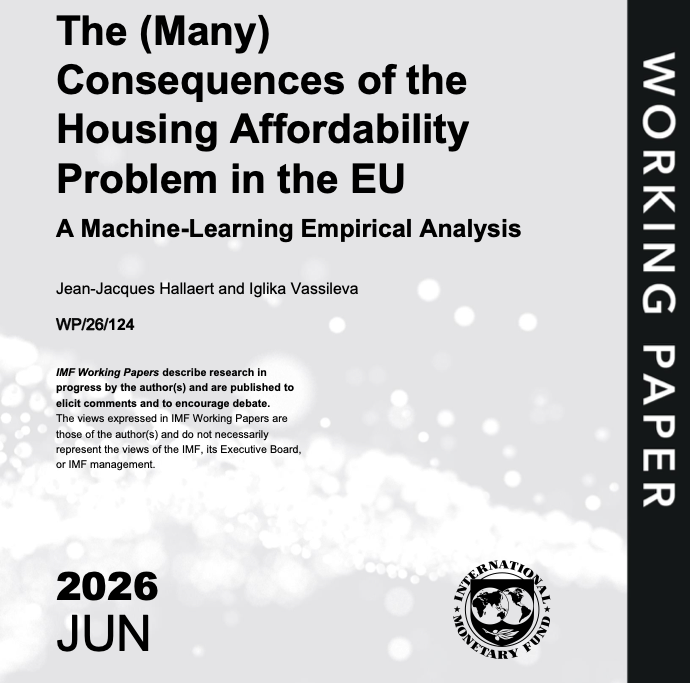
This working paper focuses on the consequences of housing unaffordability, quantifying, at the EU level, its impact on individuals’ well-being as well as its economic and demographic impact.
- Research
Homelessness in Canada continues to worsen year after year. Despite the shift from punitive, neoliberal policies to a human rights-based…

- Research
Studies in the US, Canada, Australia, the UK, and across Europe have highlighted similar workforce challenges in the homeless services sector and concerns about their impact on staff turnover. This study used quantitative and qualitative data from a national survey of frontline homeless services workers in the U.S. to answer questions about workers’ intention to leave their current job and reasons for intending to leave.
- Research
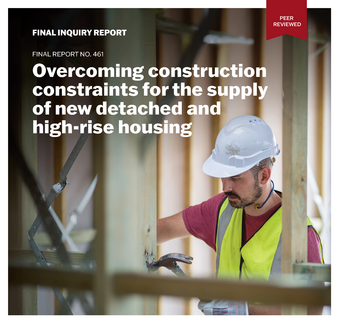
AHURI: The first significant examination of the Australian construction sector’s ability to deliver both detached and high-rise housing, analysing construction workflows, markets, regulation, workforce, technologies and supply chains.
- Research
AHURI Technical Paper for Report #461. The aim of this supporting project is to address the following research question: What innovation is occurring in residential construction internationally and what are the lessons from leading international practice?
- Research
This study investigates patterns in services use among employed homeless people accessing the St. Vincent de Paul Society Queensland, for the years 2013 to 2023.
- Research
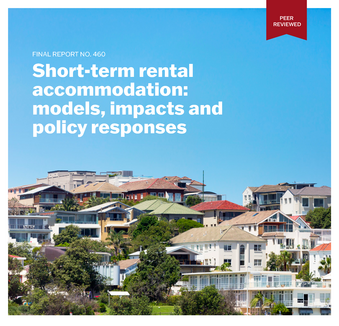
This research investigates a range of short-term rental accommodation (STRA) models across Australia and their impacts on housing markets and communities.
- Research
A careful study of rent banks in Canada, which prevent evictions by providing emergency financial support to households at risk of eviction.