

Children

- Research
Based on a novel approach describing workforce distribution, our analysis of the Greater Sydney statistical area in Australia found that not only is the city unaffordable for the school education workforce, but unobserved characteristics fill the income to cost gap.
- Research
Children now reside in motel rooms intended for seven-day emergency stays for much longer periods of time. Ten key-informant interviews were conducted with service providers supporting children residing in motels in the Waikato region.
- Research
Even when high-quality, evidence-based social-emotional supports and services are available, accessing them can be challenging, confusing, or impossible for some families, especially for families experiencing homelessness.
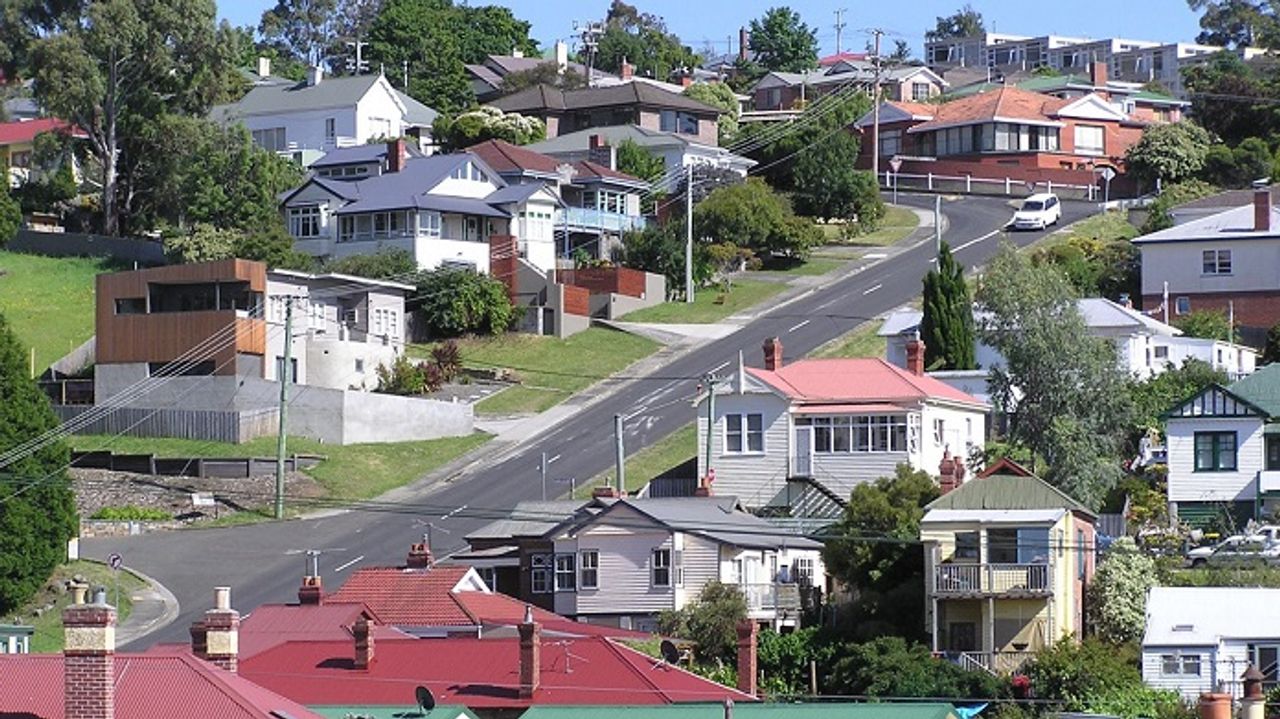
- Research
The present study investigated variation in housing insecurity experiences in a sample of mothers, as well as which risk profiles were most strongly associated with subsequent homelessness.
- Research
Understanding factors that support housing stability is crucial to ensure the best outcomes for young Aboriginal children and families at a critical period in the life course.
- Research
When housing interventions incorporate supportive elements like case management, notable enhancement in health and employment outcomes for the youth are noted compared to housing-only initiatives.

- Research
This study sought to describe and explore associations among selected determinants of health and self-reported scores on indicators of psychological capital among youth experiencing homelessness.

- Research
International research of childhood residential mobility is associated with multiple long-term adverse outcomes. Although frequent residential mobility could be a marker for familial psychosocial difficulties, the elevated risks were cobserved across the socioeconomic spectrum, and mobility may be intrinsically harmful.