

Home Homelessness Page 9
Homelessness

- Research
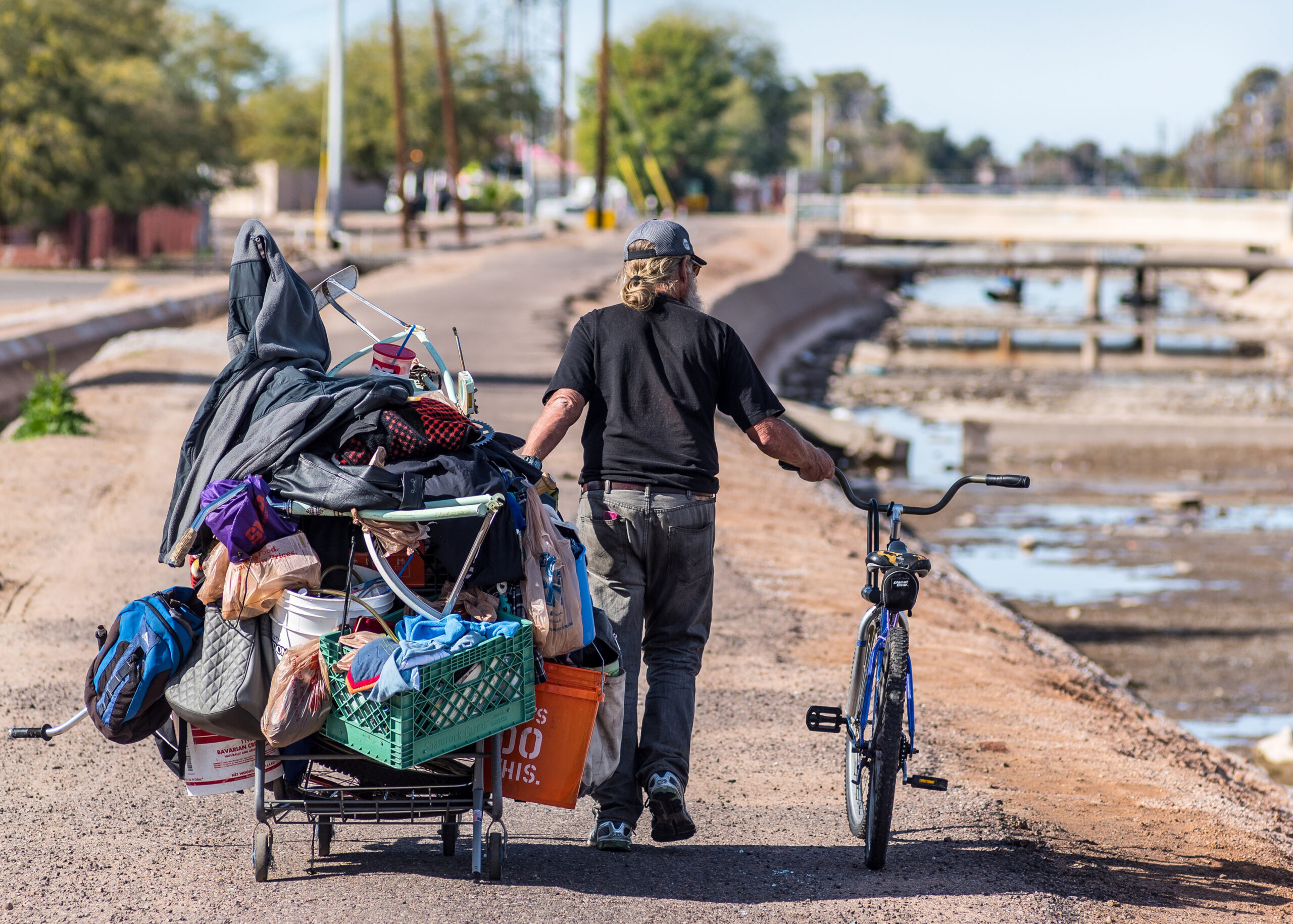
A qualitative study using a phenomenological design was conducted and eight homeless recidivist women around Jalan Chow Kit were interviewed. The research findings led to the discovery of two main themes namely; personal factors and structural factors which notably influence the re-involvement of homeless recidivist women in criminal activities.
- Research
As urban temperatures rise, air pollution concurrently worsens—especially ground-level ozone and particulates —because heat alters both atmospheric chemistry cycles and air circulation patterns. One population that is among the most vulnerable to the twin threats of heat exposure and air pollution is also chronically understudied and plagued by stigma: people experiencing homelessness.

- Research
Overall, the findings of our study highlight the importance of providing stable housing and facilitating social support and psychological integration as a means of increasing social capital among people with a history of homelessness.

- Research
Emergency shelters offer temporary sleeping accommodation to people deprived of housing and connect them to services. Service restriction is the practice of limiting or denying someone access to emergency shelters. This parallel convergent mixed methods study describes the characteristics, healthcare utilization, and morbidity of people experiencing service restrictions in Hamilton, Ontario, and explores the relationship between health and service restriction. Participants’ high healthcare need and utilization was shaped by criminalization, stigma, societal abandonment, and abstinence-based substance use policies.

- Research
Imagine walking through a red door. On the other side of that door, everyone you meet asks you to tell…
- Research
This observational longitudinal cohort study examines housing status, the prevalence of a comprehensive set of individual modifiable risk factors for homelessness, and changes in the prevalence of housing status and these risk factors among initially homeless people from Amsterdam over a period of 5.5 years.

- Research
Support services for individuals experiencing homelessness are encouraged to use trauma-informed models of care. This paper outlines a trauma-aware framework used for nearly a decade within a youth refuge located in Melbourne, Australia.
- Research
In this article, we probe the ethical, empirical, and political dimensions of state-driven responses to the COVID-19 public health crisis, surfacing some of the ways these interventions posed problems for people who are homeless and experience intersecting health and socio-political disparities.