

Home Housing for Older Women (HOW Movement)
Housing for Older Women (HOW Movement)

- Research
This community case study examines the efficacy of the Women’s Housing and Support Program (WHSP), which provides case management to older women experiencing homelessness in Melbourne, Australia.
- Research
This paper explores the use of Housing First services for women experiencing homelessness, focusing on those aged 35 and over, who have multiple and complex needs.
- Research
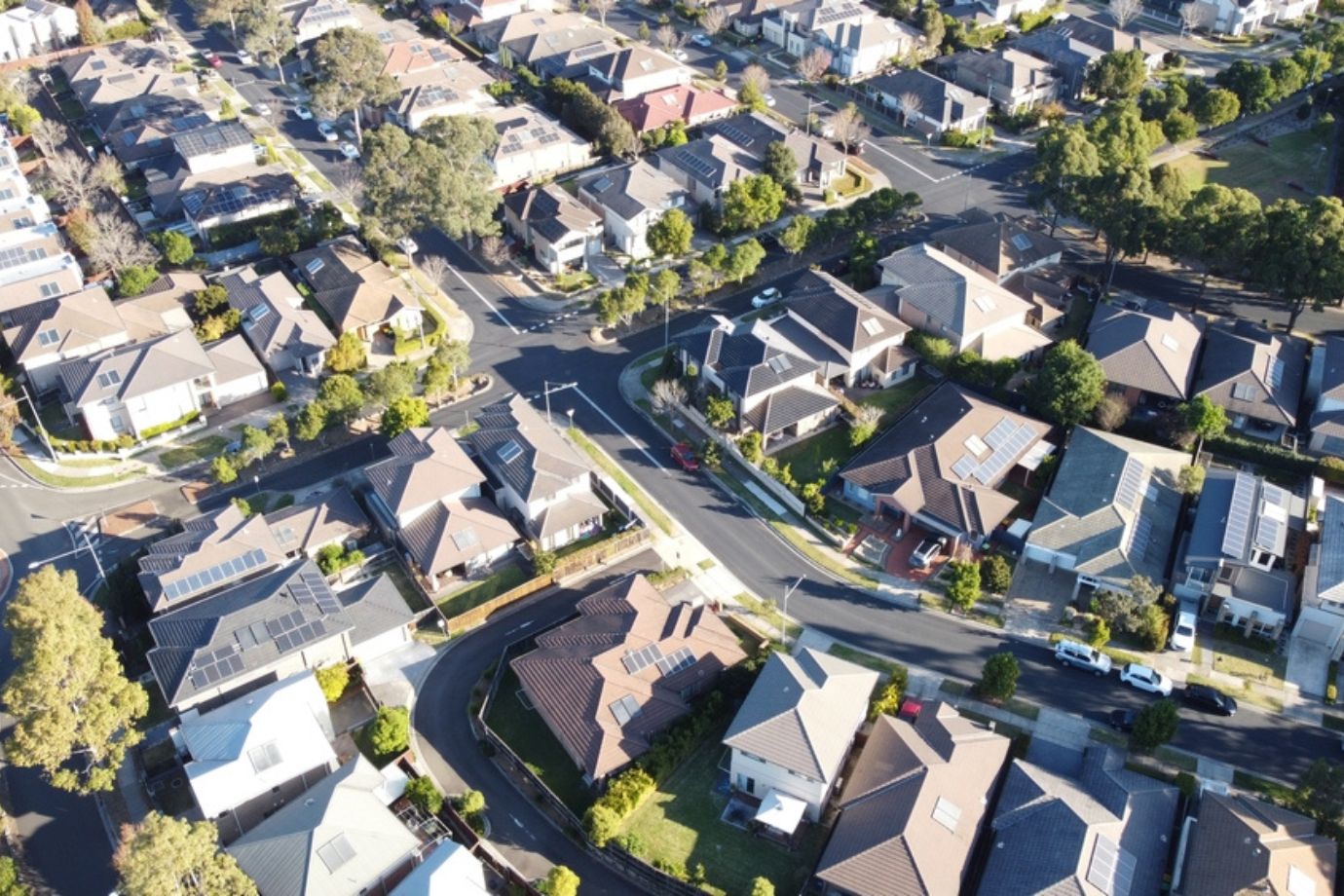
This research explores concentrations and density of social housing relative to local amenities and services across Australia. Key findings found that social housing is not spread evenly across cities and towns.
- Research
Affordable housing models for older people (65 years and over) are largely absent from recent federal and state government commitments to improve housing affordability and availability.
- Research
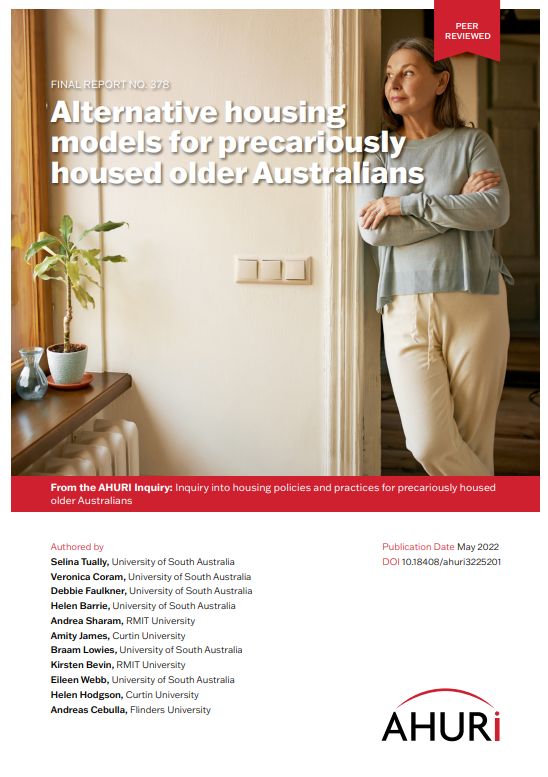
This research investigates the potential of alternative housing models to increase the supply of affordable housing for older Australians and…
- Research
Ernst and Young assessment of benefits by cohort for a given year reveal cohorts 2.3 (at risk to stable housing), 2.4 (at-risk to optimal housing) as the client outcome cohorts realising the greatest share of benefits, highlighting the successful early intervention and preventative nature of the HAL Service.

- Research
Research shows that most older women who are homeless have never been homeless before. In fact, many don’t self-identify as experiencing homelessness, as they view homelessness as the stereotypical image of a man sleeping rough.