

Home Research / Reports Page 5
Research / Reports
- Research
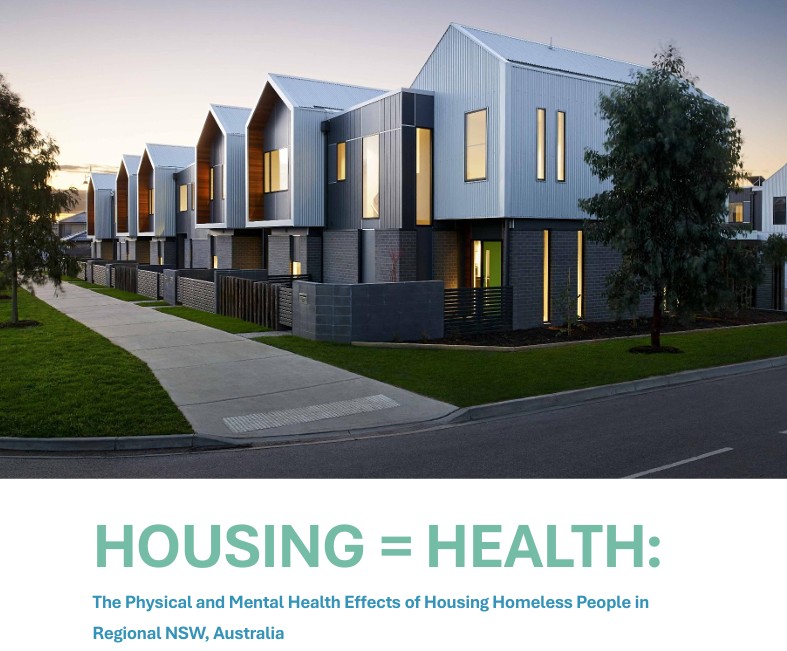
This research report presents key findings from a mixed-methods study investigating the physical and mental health effects of housing previously homeless individuals in regional New South Wales.
- Research
From the AHURI inquiry: Inquiry into developing a long-term governance and resource framework for sustainable and effective Indigenous housing. What…
- Research
This is a rapid review of literature on transitional supportive housing for veterans, and a co-design of the RSL LifeCare Homes for Heroes program.
- Research
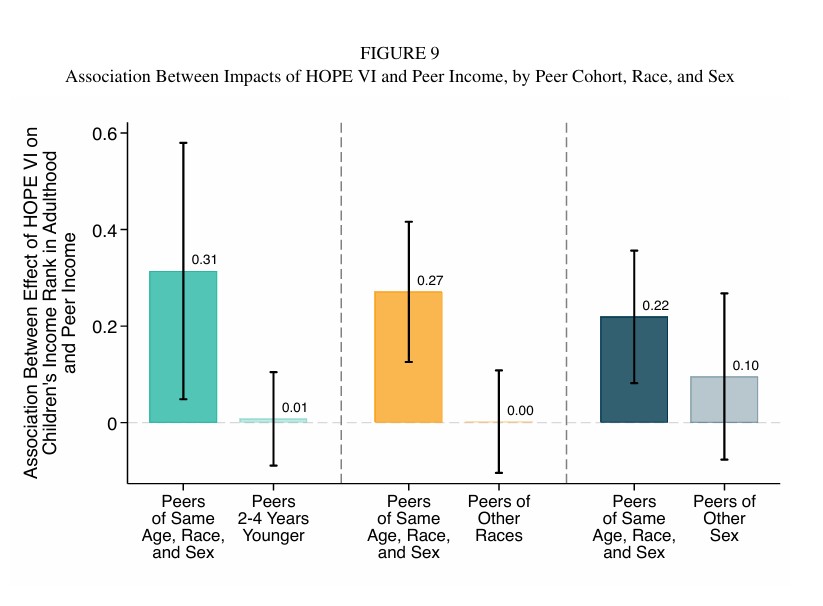
This study analyzes the HOPE VI program, a $17 billion initiative to revitalize 262 distressed public housing developments, to determine if low-economic-mobility neighborhoods can be transformed into high-mobility areas.
- Research
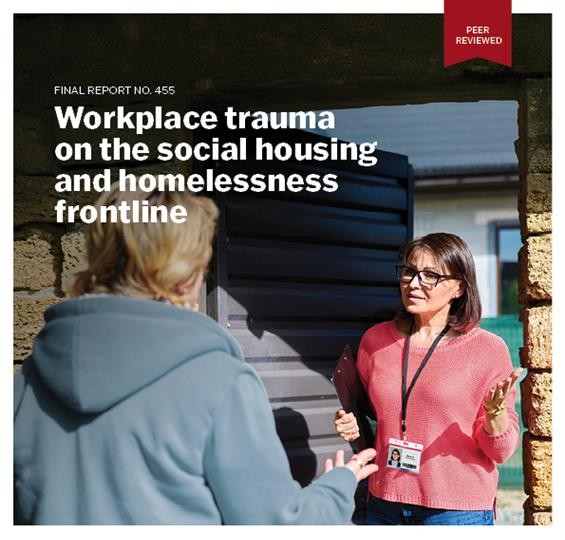
This research explores workplace trauma in Australia’s social housing and homelessness services, including its extent, causes and impacts, and examines current practices to address this trauma, options to mitigate it, and guiding principles for response.
- Research
This essay critically examines the intersection of Adverse Childhood Experiences with Social Determinants of Health, exploring the role of social workers in co-creating Protective and Compensatory Experiences through their practice to support children’s lifelong positive health outcomes.
- Research
This research explores how property technology is used in Australia’s private and social rental sectors and examines the implications of this for individuals and housing access, and whether existing policy and legal frameworks are fit-for-purpose.
- Research
The global housing affordability ‘crisis’ highlights a policy failure shared across many jurisdictions and countries: a disconnect between the affordability challenge and capacity to act. The article draws on a series of stakeholder interviews involved in the design and delivery of public housing estate renewal in Australia.