

Research

- Research
The ongoing involvement of homeless former prisoners in crime raises questions about involvement factors. Failure to reintegrate into society frequently results in homeless former prisoners becoming re-involved in crime. In this research, 30 homeless former prisoners, nine Malaysian government agency officers, and nine volunteers were interviewed in this study.

- Research
The present study investigated variation in housing insecurity experiences in a sample of mothers, as well as which risk profiles were most strongly associated with subsequent homelessness.
- Research
Certified peer support specialists (CPSS) are used as a paraprofessional workforce to engage hard-to-reach populations, including people experiencing homelessness. COFindings from this study may have implications for the value of lived and learned knowledge coexisting in organizations serving those who experience homelessness.
- Research
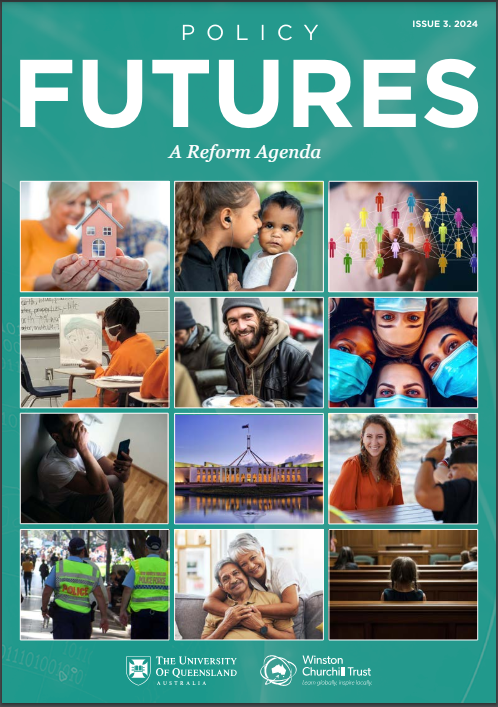
Affordable housing models for older people (65 years and over) are largely absent from recent federal and state government commitments to improve housing affordability and availability.
- Research
A new national housing and homelessness plan provides an opportunity to fund place-based local government homelessness prevention and early intervention activities.
- Research
This study contributes significantly to the discourse on housing policies and sustainability, advocating for an inclusive and environmentally conscious approach to the global housing deficit.

- Research
This Index highlights that many people living on income support payments are structurally unable to afford the basics of life. The analysis was prepared by comparing data on key living costs against rates of income support. The Index considers weekly living costs by analysing three core weekly expenses, rent, transport and food.

- Research
This paper describes how the Social Impact Bonds financing mechanism underpinned the success of Aspire by promoting flexible, collaborative, outcome-focussed and data-informed responses to a challenging, multifaceted social problem.