

Research
- Research
This research examined the barriers and challenges within the housing system for delivering housing supply that is more diverse in terms of size and built form; tenure; development model; and affordability level.
- Research
Some evidence received on preventing homelessness during COVID-19 pertains to broad and long-term reform. The Committee intends to give further consideration to this evidence in its final report.

- Research
The authors argue that lived experience can inform sharp critique and offer an innovative window on aspects of the ‘shared typical’.
- Research
Providing safe secure affordable housing is a compassionate approach it is also good economically.
- Research
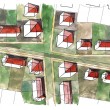
So what would it take to enable co-housing as an option for Australians? A good start would be a conversation between influential stakeholders – such as planning authorities, banks, planners, architects and property experts – to explore pros and cons and the best way forward.
- Research
Noosa Council is also in the process of investigating areas of the shire that could be rezoned from low density and rural residential to accommodate medium-density housing. Local Government Planning changes can facilitate innovation in housing design and supply.
- Research
The research is based on analysis of customised data from the ABS Census of Population and Housing (the Census), using a method employed in all previous projects that enables comparison of results across the Census years—that is, 1996, 2001, 2006, 2011 and 2016. It provides detailed analysis of changes in affordable rental housing supply for lower income households, nationally, in metropolitan and non-metropolitan Australia, and in capital cities, satellite cities and other major regional cities.
- Research
Our research makes a compelling case for the more formal integration of specialist housing services into both inpatient psychiatric and substance use treatment settings, given the significant risks of housing insecurity that many individuals experience in these settings, including all too common experiences of homelessness.