

Home Affordable Housing
Affordable Housing

- Research
This lecture given by Mark Stephens on 20 February 2026, is about social housing, and the role that it might play in tackling Australia’s housing crisis.
- Research
The global housing affordability ‘crisis’ highlights a policy failure shared across many jurisdictions and countries: a disconnect between the affordability challenge and capacity to act. The article draws on a series of stakeholder interviews involved in the design and delivery of public housing estate renewal in Australia.

- Research
This paper presents Autonomous Urban Resource Al locator (AURA), a novel multi-agent reinforcement learning system for real-time affordable housing site selection under hard regulatory constraints.
- Research
This study aims to investigate build to rent as a potential solution that can be integrated into Australia’s housing policy framework to deliver affordable, professionally managed rental supply.
- Research
Our focus is on older adults experiencing or at risk of housing precarity who lack adequate housing assistance and sufficient wealth to secure housing. This study presents a new conceptualisation of this group, quantifies the scale of the issue, identifies those most affected, and analyses the distribution of wealth among older Australians.
- Research
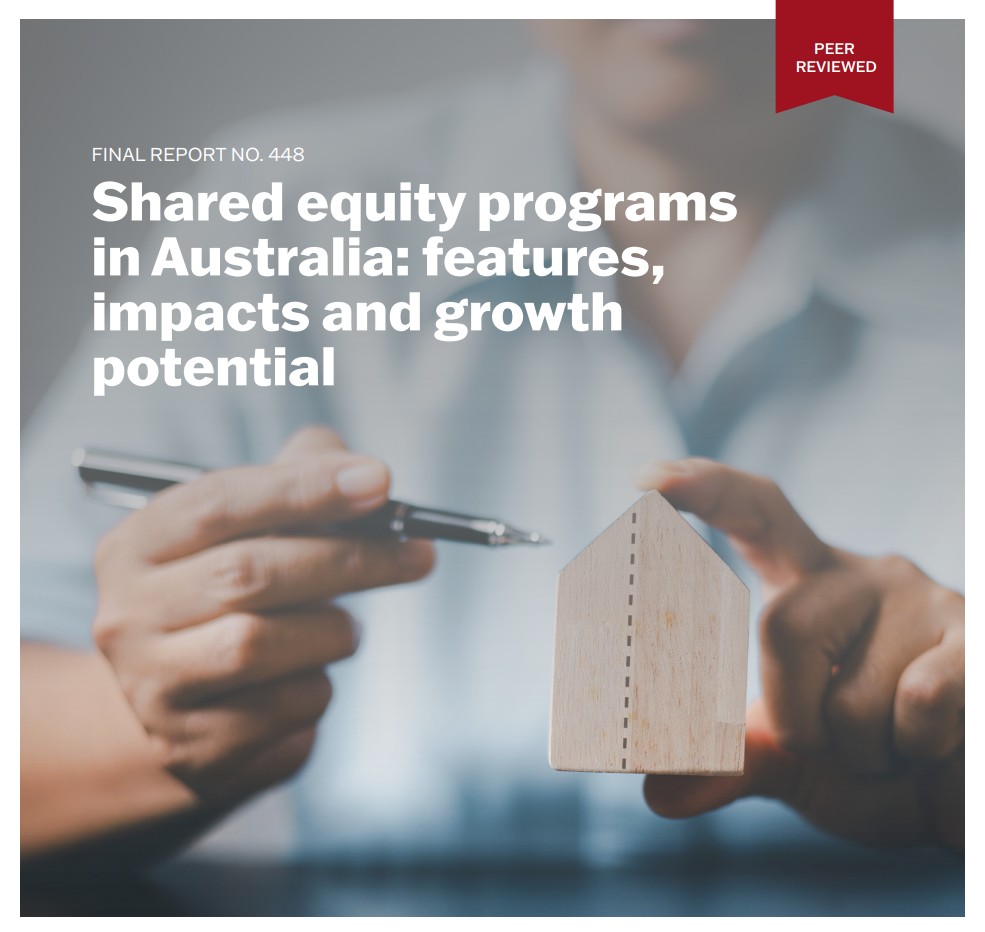
This research compares the advantages, disadvantages and unintended consequences of different models, and creates an evidence-base to support the design of future government-led shared equity programs.
- Research
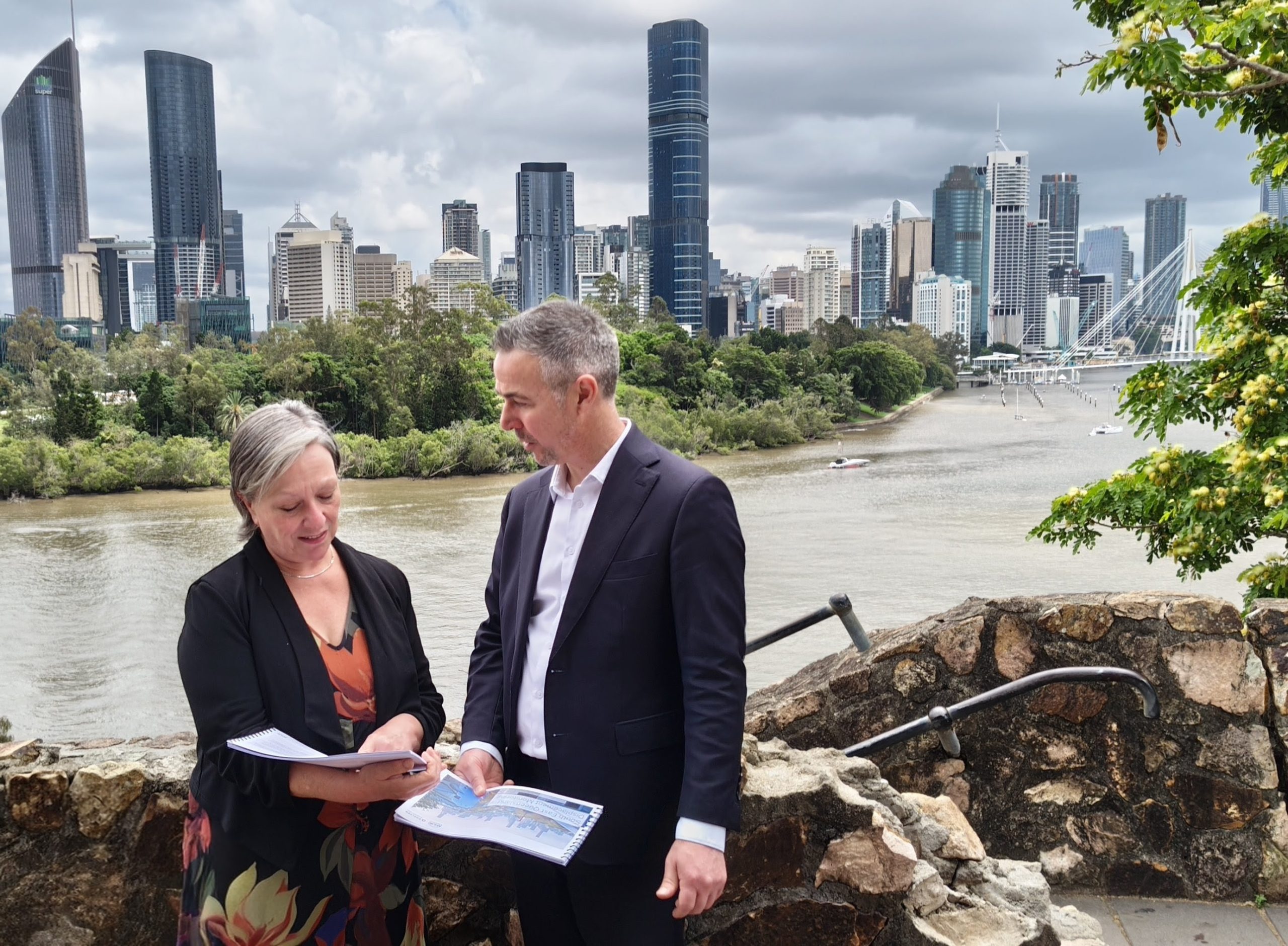
Q Shelter and AHURI are monitoring potential displacement caused by changes in housing market conditions in the lead up to the Brisbane 2032 Olympic and Paralympic Games. This is the first update since the initial 2024 baseline report.
- Research
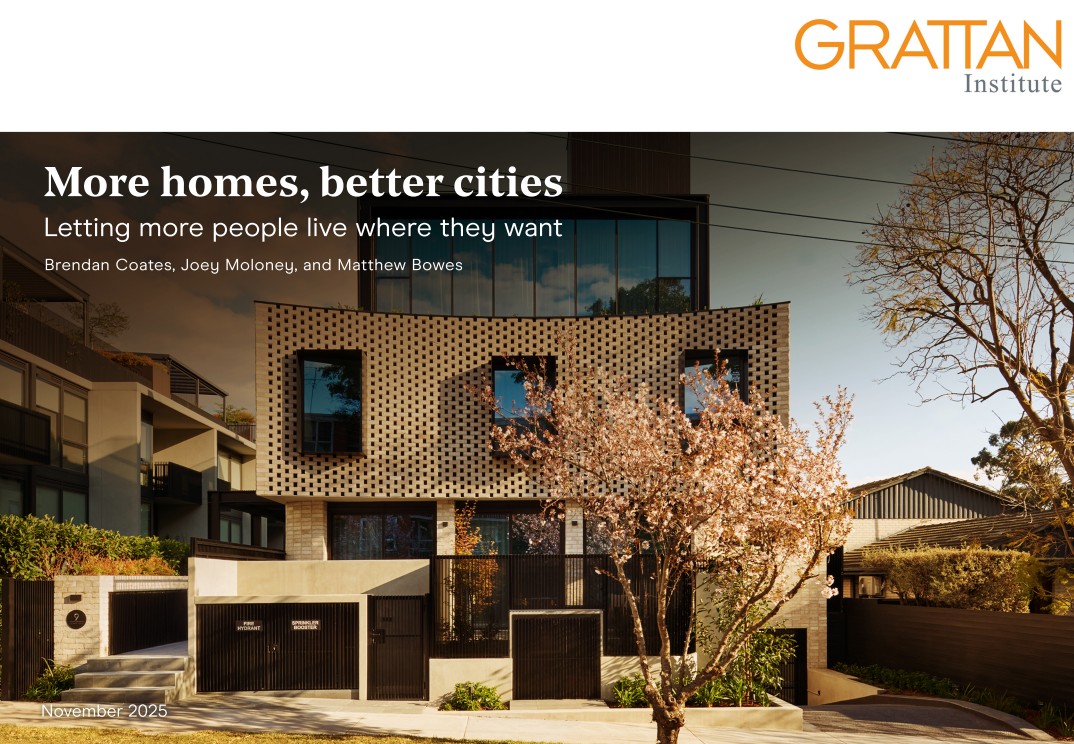
Australia needs a housing policy revolution. The equation is simple: If we build more homes where people most want to live, housing will be cheaper and our cities will be wealthier, healthier, and more vibrant.