

Home Alcohol and drugs
Alcohol and drugs
- Research
This study introduces the concept of Collective Permanent Supportive Housing, tailored for older adults with histories of homelessness and long-term substance use.

- Research
This study aims to assess the costs and health outcomes of providing stable housing to people experiencing homelessness who have opioid use disorder.
- Research
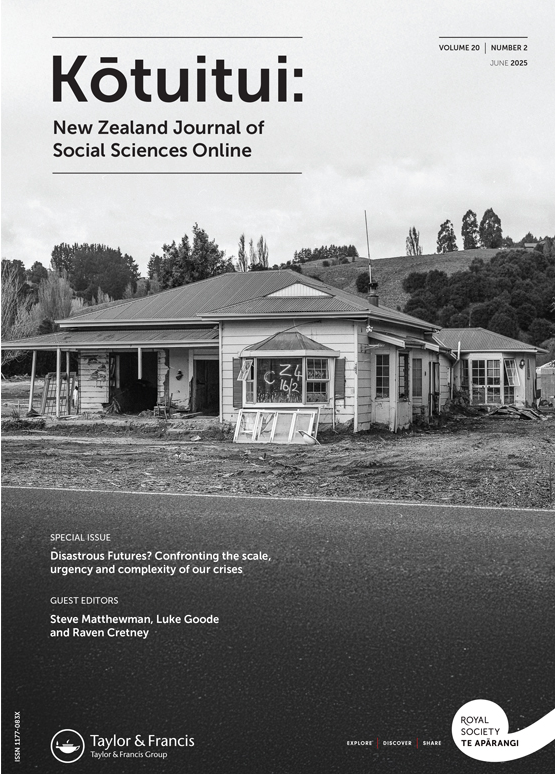
In a study on mothers’ experiences of a residential parenting and drug rehabilitation programme, housing was consistently discussed as crucial to recovery in terms of the ability of wāhine (women) to envision a secure future.
- Research
We assessed the relationship between structural factors (e.g., housing services received) and health care use (e.g., emergency department use) and overdose risk at 12-months post-incarceration in Rhode Island in the United States.
- Research
A study to examine retention in primary care among clients of a novel interdisciplinary primary care clinic in the Downtown Eastside of Vancouver, Canada who did not previously have access to care.
- Research
Many people experiencing a substance use disorder and/or homelessness have trauma histories. There has not been a review of trauma-informed care (TIC) intervention outcomes among these populations.

- Research
Researchers have found that 50% of homeless individuals have a substance use disorder with a reduction in life expectancy compared to the general population. This generic qualitative study explored the perspectives of individuals with substance use experience about Housing First programs and harm reduction strategies accessed that helped them to overcome system related barriers.

- Research
[US government] grants were intended to enhance MAT access in the communities. However, it is unknown whether MAT-PDOA decreases an important consequence of the epidemic in communities: homelessness.