

Home Homelessness Page 16
Homelessness
- Research
Youth homelessness represents a persistent and significant challenge for service sectors with limited best practice guidance. The present multiple case study investigation was designed to develop a preliminary understanding of the guiding principles that attend the development of interventions that support youth exiting homelessness in the Canadian context. This work contributes to a growing body of literature that seeks to articulate best practices in the effort to address and prevent youth homelessness.
- Research
Women experiencing homelessness may face barriers to access reproductive healthcare. This quality improvement (QI) initiative sought to examine perceived barriers to STI prevention and opportunities for expanding STI prevention services and education for women experiencing homelessness.
- Research
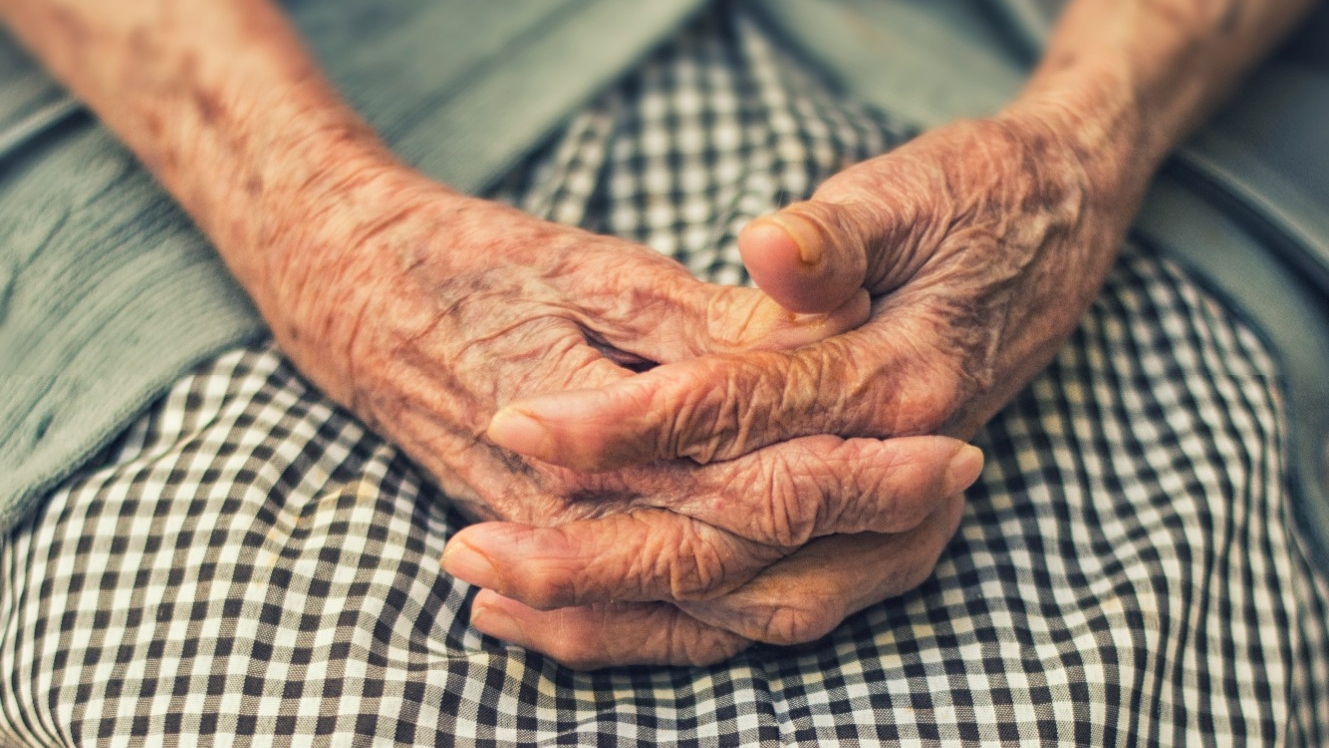
Co-production of palliative care research with people with lived experience of homelessness is essential, but must be done carefully and sensitively. As a population with high levels of premature morbidity and mortality yet low access to palliative care, the TIFFIN recommendations could help to support the involvement of people with lived experience of homelessness in palliative and end-of-life-care care research.
- Research
Health care providers and systems should leverage their political power to advocate for policies that scale durable, evidence-based solutions to reduce homelessness, including increased funding to expand housing choice vouchers and greater investment in the creation and preservation of affordable housing.

- Research
With the adoption of the so-called ‘Lisbon Declaration on the European Platform on Combatting Homelessness’ (EPOCH) in 2021 the stage was set for coordinated action, including European-level data collection, mutual learning, and the mobilisation of EU funding.
- Research
When housing interventions incorporate supportive elements like case management, notable enhancement in health and employment outcomes for the youth are noted compared to housing-only initiatives.

- Research
Through a comparative study of homelessness in Melbourne, Australia and Toronto, Canada, and drawing on over 100 interviews with individuals experiencing homelessness, service providers, and policymakers, this article demonstrates the complex effects of policies.

- Research
Our study results demonstrate that Street Needs Assessments and Point-in-Time counts can be used to examine homelessness in marginalized populations, including 2SLGBTQ+ individuals and that sexual orientation and gender identity questions need to be included on future government surveys. The consistency of findings from this study and previous research suggests that 2SLGBTQ+ individuals experience a significant need for population-based housing and social support services aimed at meeting the needs of 2SLGBTQ+ populations.