

Home Homelessness Page 18
Homelessness

- Research
Lived expertise (LE) is a valuable form of expertise that can lead to more effective policymaking. Existing research points to important mechanisms for where and how to include LE. In this article, we bring the discussions together and ground them in the Canadian case of homelessness.
- Research
This Note discusses why the provisions of H.B. 1606 are problematic for the homeless population and the organizations that support them, how the language of H.B. 1606 may jeopardize the State of Missouri’s receipt of federal funding, the merits of “Housing First” Policy, and the remedies that exist for defending against H.B. 1606 or rectifying it through legislation.
- Research
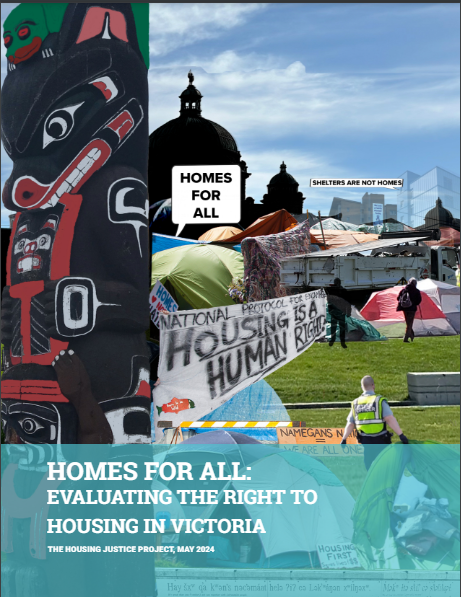
Homelessness in Victoria (Canada) is often invisible and too many government responses focus on keeping people out of sight and out of mind, rather than moving people into housing that meets human-rights standards.

- Research
A qualitative study using a phenomenological design was conducted and eight homeless recidivist women around Jalan Chow Kit were interviewed. The research findings led to the discovery of two main themes namely; personal factors and structural factors which notably influence the re-involvement of homeless recidivist women in criminal activities.

- Research
As urban temperatures rise, air pollution concurrently worsens—especially ground-level ozone and particulates —because heat alters both atmospheric chemistry cycles and air circulation patterns. One population that is among the most vulnerable to the twin threats of heat exposure and air pollution is also chronically understudied and plagued by stigma: people experiencing homelessness.

- Research
Overall, the findings of our study highlight the importance of providing stable housing and facilitating social support and psychological integration as a means of increasing social capital among people with a history of homelessness.
- Research
Emergency shelters offer temporary sleeping accommodation to people deprived of housing and connect them to services. Service restriction is the practice of limiting or denying someone access to emergency shelters. This parallel convergent mixed methods study describes the characteristics, healthcare utilization, and morbidity of people experiencing service restrictions in Hamilton, Ontario, and explores the relationship between health and service restriction. Participants’ high healthcare need and utilization was shaped by criminalization, stigma, societal abandonment, and abstinence-based substance use policies.

- Research
Imagine walking through a red door. On the other side of that door, everyone you meet asks you to tell…