

Home Homelessness Page 23
Homelessness
- Research
This report distills a year of research on homelessness in America. It provides background, evidence and a point of view on some of the major drivers of America’s homelessness crisis.

- Research
Using the cognitive appraisal theory of coping and the self‐determination theory of motivation, we examined the shared variance of motivational orientations, attachment relationships, and gender on adaptive and maladaptive coping among youth experiencing homelessness.
- Research
This study examines an Australian organisation’s efforts to collaboratively and systematically overcome these challenges by bringing together government, community and service practitioners from multiple sectors in their delivery of an assertive outreach programme.
- Research
In this article we will zoom in on this European Platform to see how it can be understood as a specific example of collective policy making, collective learning, and collective action at the European level because it is underpinned by two mutually reinforcing mechanisms.
- Research
This project uses a mixed methods approach, including a review of the literature, an analysis of Homelessness Management Information System (HMIS) data for the Commonwealth of Massachusetts, and interviews with service providers around Boston, to understand the distinct, age-related needs of older adults who utilize the homelessness service system.

- Research
This study examines the prevalence and types of homelessness experienced by sexual minority and heterosexual youth. We examine whether state-level nondiscrimination policies and/or public attitudes on sexual diversity are associated with reduced homelessness among sexual minority youth. Finally, we investigate the differences in health risk behaviors at the intersections of sexual minority and homelessness status.

- Research
This year in the United States, approximately 500,000 people will not have their own homes to sleep in. Given a…
- Research
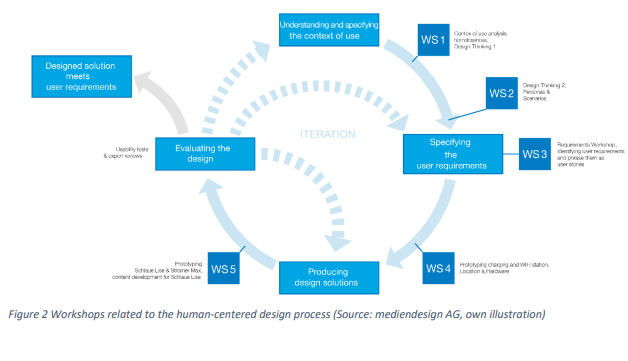
This paper reflects on an interdisciplinary and method triangulation approach for digital product development. The research project “Smart Inclusivity for homeless people” (SIWo), conducted by the Ohm, is cited as an example.