

Home Homelessness Page 5
Homelessness
- Research
In Australia, the use of administrative data to understand service utilisation patterns among people ‘at risk’ of homelessness and experiencing homelessness is limited. This paper fills this gap using a novel administrative dataset of 70,000 unique households in metropolitan Melbourne between 2014 and 2020.
- Research
A scoping review assessed which risk assessment tool would suit Queensland homelessness service providers with First Nations clients. Recommendations are made for a DFV risk assessment procedure suitable for homelessness services.
- Research
This qualitative study explores the perceptions of people experiencing chronic homelessness of mental health, mental health services, and any perceived barriers or facilitators to access.

- Research
Ecological rationalities place sweeps above dispute by framing the removal of unsheltered homeless and their belongings as necessary for protecting the environment and public health. This commentary draws from the now-matured body of literature evidencing the counterproductive and harmful tendencies of encampment sweeps.

- Research
This qualitative study seeks to understand the factors contributing to people experiencing homelessness’ decision to seek or accept preventative sexual health services.
- Research
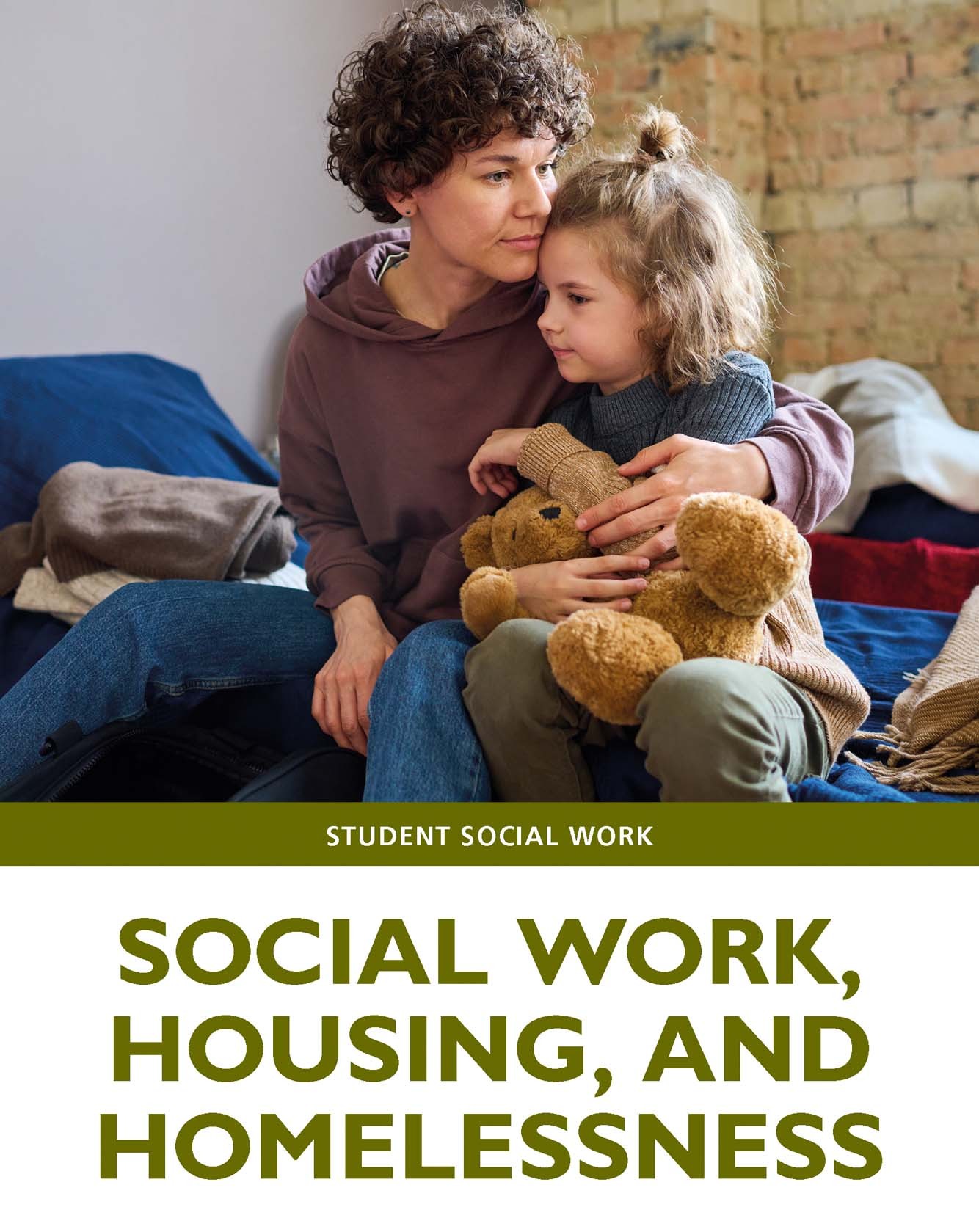
This book examines how all types of housing have become precarious for many service users with whom social workers will engage and makes some suggestions regarding action and best practice.
- Research
Drawing on qualitative research conducted in Australia that explored women’s experiences of homelessness and pregnancy, this article discusses how mothering subjectivities are generated through constructed notions of the ‘good’ mother and the barriers mothers face in both enacting these discourses and in meeting the high moral standards of ‘good’ mothering without adequate resources and structural supports.

- Research
This article illustrates several state ordinances criminalizing the homeless population’s use of encampments and proposes an international framework within an Eighth Amendment analysis