

Home Mental Health Page 2
Mental Health

- Research
This article explores the potential of co-design to facilitate an imagining of ontological security when designing safe, long-term and affordable housing with women who have experienced homelessness.

- Research
A secondary analysis of qualitative research data using the theory of ontological security to explore the question: How do older adults experience trauma across the transition to housing following homelessness?

- Research
This paper explores how stigma uniquely affects individuals experiencing homelessness in suburban areas and examining the significant negative outcomes of this stigma, which are often compounded in suburban environments due to fewer available resources.
- Research
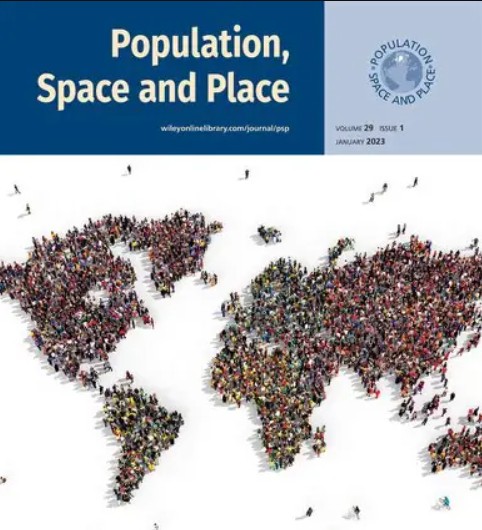
This study explores how housing is experienced and understood by former‐refugees not merely as a physical structure but as a site of meaning, identity and belonging.
- Research
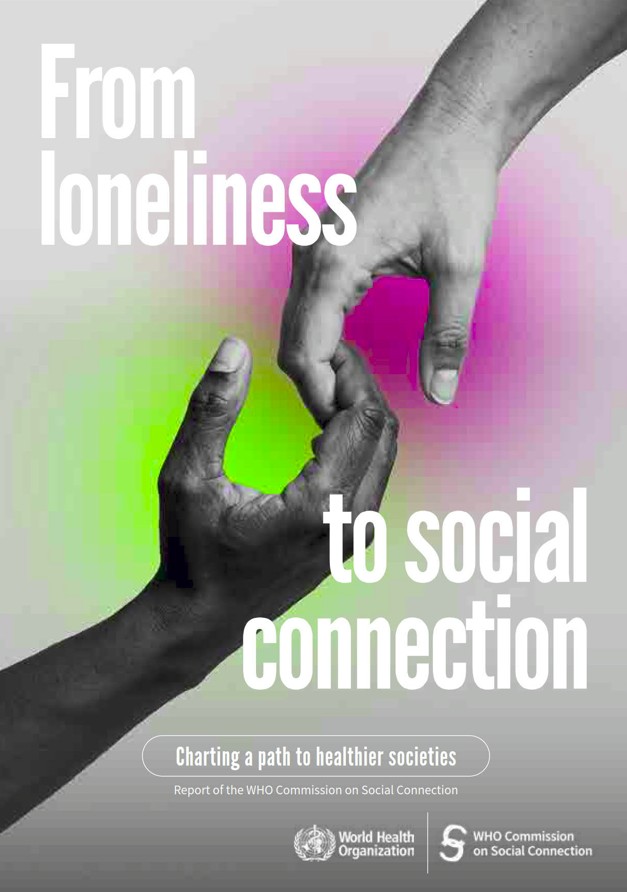
This landmark report outlines practical, scalable solutions to strengthen social connection – and calls on policy-makers, researchers and all sectors to treat social health with the same urgency as physical and mental health.
- Research
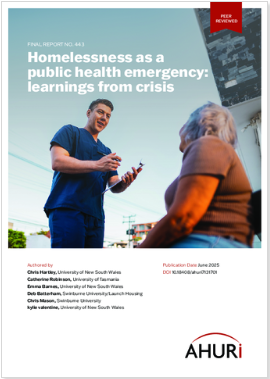
This research looks at public health responses to homelessness during the COVID emergency in Australia. It identifies barriers, adaptations and lessons learned from increased teamwork between public health and homelessness sectors. It investigates how these partnerships formed and how they can continue with ongoing adequate funding, staffing and logistical support.
- Research
In this study, we explored the demand for the three specialist mental health services for people experiencing homelessness in Dublin by evaluating all referrals received over a 1-year period.

- Research
A study of over 9,000 participants showed that early life adversities correlate with diminished white matter connections, increasing risk for cognitive difficulties, but supportive relationships may offer protection.