

Home Rough Sleeping Page 4
Rough Sleeping

- Research
Urban poverty and homelessness keep growing while investments in health-promoting services and public infrastructure, including drinking water, sanitation and hygiene (WASH) have been decreasing. We used a mixed-method approach to collect data from 45 unhoused individuals in Germany identifying individual, infrastructure-specific, and location-based solutions to improve public WASH. Suggestions included adapting existing infrastructure, opening up existing, but inaccessible and constructing new inclusive infrastructure. Proactive, long-term sustainable solutions were preferred over reactive short-time options. Realizing safe WASH for all requires collaboration between homeless communities, governmental bodies, NGOs, businesses, and sanitation experts.
- Research
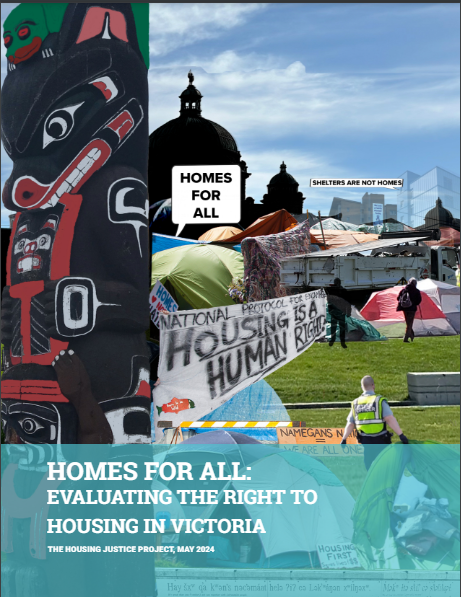
Homelessness in Victoria (Canada) is often invisible and too many government responses focus on keeping people out of sight and out of mind, rather than moving people into housing that meets human-rights standards.
- Research
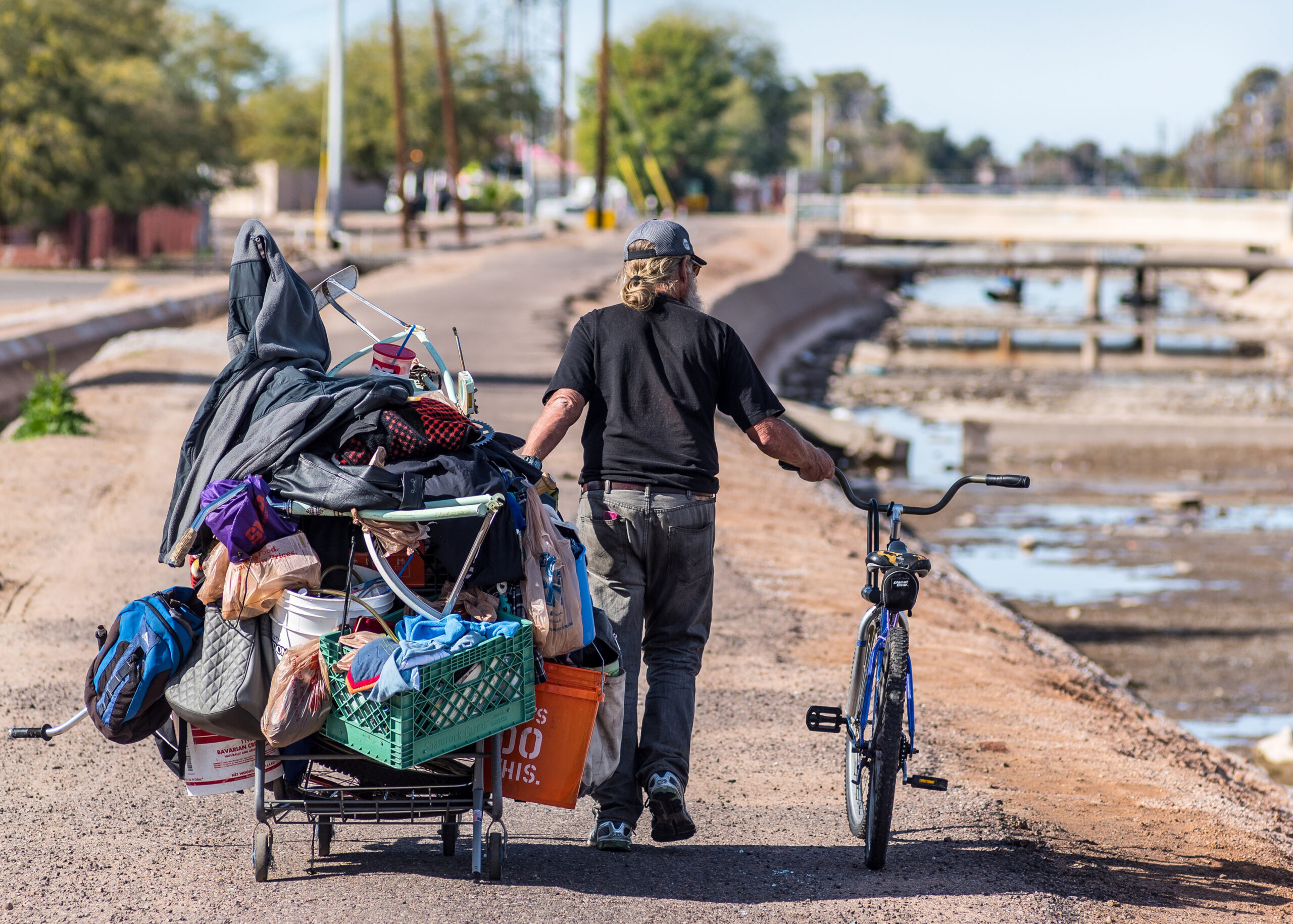
As urban temperatures rise, air pollution concurrently worsens—especially ground-level ozone and particulates —because heat alters both atmospheric chemistry cycles and air circulation patterns. One population that is among the most vulnerable to the twin threats of heat exposure and air pollution is also chronically understudied and plagued by stigma: people experiencing homelessness.

- Research
This Review examines the intersection between mental illness and homelessness in high-income countries, including prevalence rates and changes over time, the harmful effects of homelessness, and evidence-based health and housing interventions for homeless people with mental illness.

- Research
We mapped the evidence on cancer risk factors as well as barriers and facilitators to cancer prevention services among people experiencing homelessness, which is key to localising research gaps and identifying strategies for tailored interventions adapted to people experiencing homelessness.
- Research
This observational longitudinal cohort study examines housing status, the prevalence of a comprehensive set of individual modifiable risk factors for homelessness, and changes in the prevalence of housing status and these risk factors among initially homeless people from Amsterdam over a period of 5.5 years.

- Research
The US media is saturated with coverage of perceived threats to public safety by people experiencing homelessness with purported “mental illness.” This review seeks to harness our expertise in forensic psychiatry, addiction science, health policy research, social work, and adult psychiatry to highlight potential misinformation and provide an evidence-based update for clinical generalists.

- Research
Through a critical examination of existing literature and evolving perspectives in the policy debate on squatting, this article emphasizes the imperative of recognizing the inherent complexities of this phenomenon.