

Home Women
Women

- Research
The objective of this study was to explore the feasibility and impact of a targeted exercise intervention with protein supplementation for women experiencing homelessness, addiction and mental health challenges.
- Research
Older women are the fastest-growing group at risk of homelessness in Australia, with financial avoidance behaviours amplifying this risk. Between 2023 and 2024, Sefa, Latitude, and Housing Choices, researched these behaviours and piloted a low cost, high-reach social media intervention using the COM-B and transtheoretical models to prompt recognition, reflection, and action.
- Research
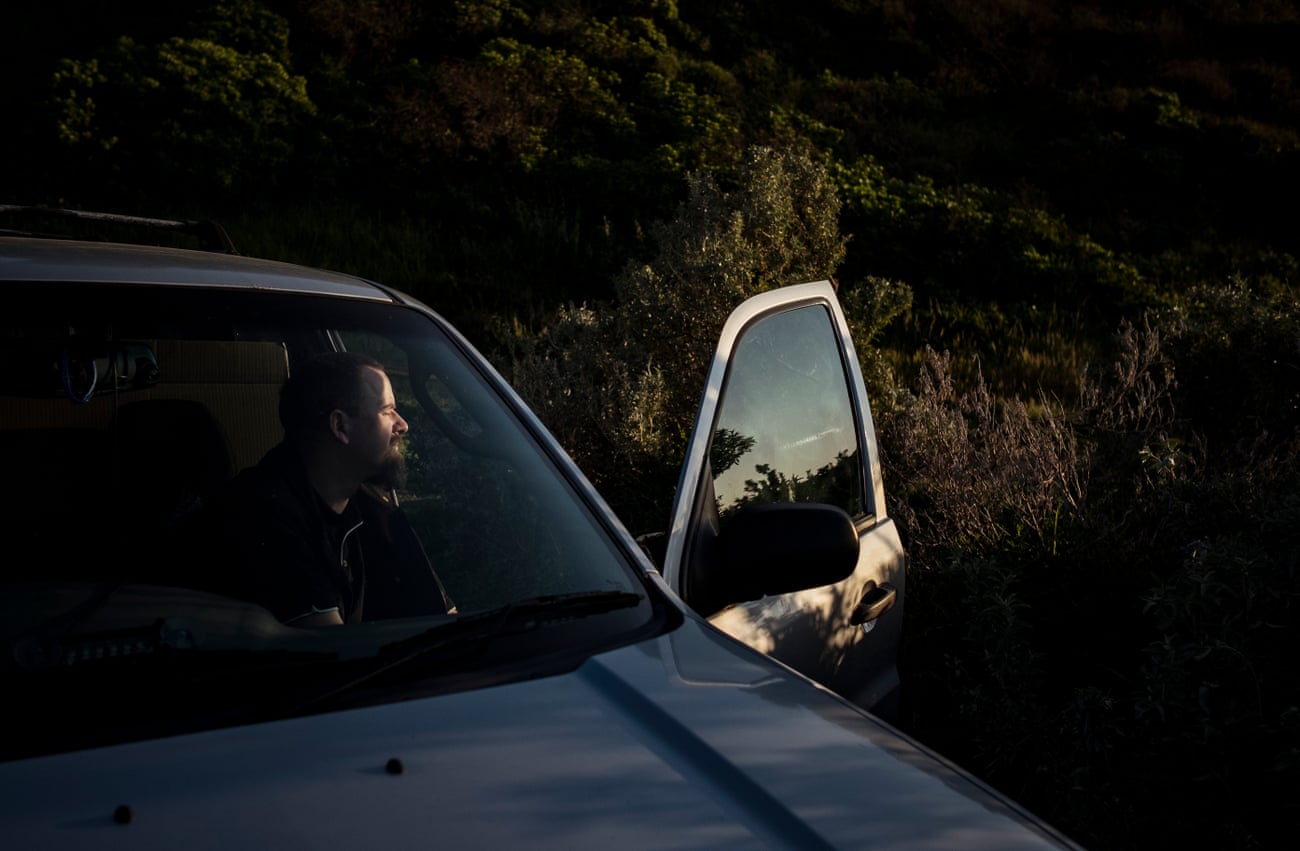
This community case study examines the efficacy of the Women’s Housing and Support Program (WHSP), which provides case management to older women experiencing homelessness in Melbourne, Australia.
- Research
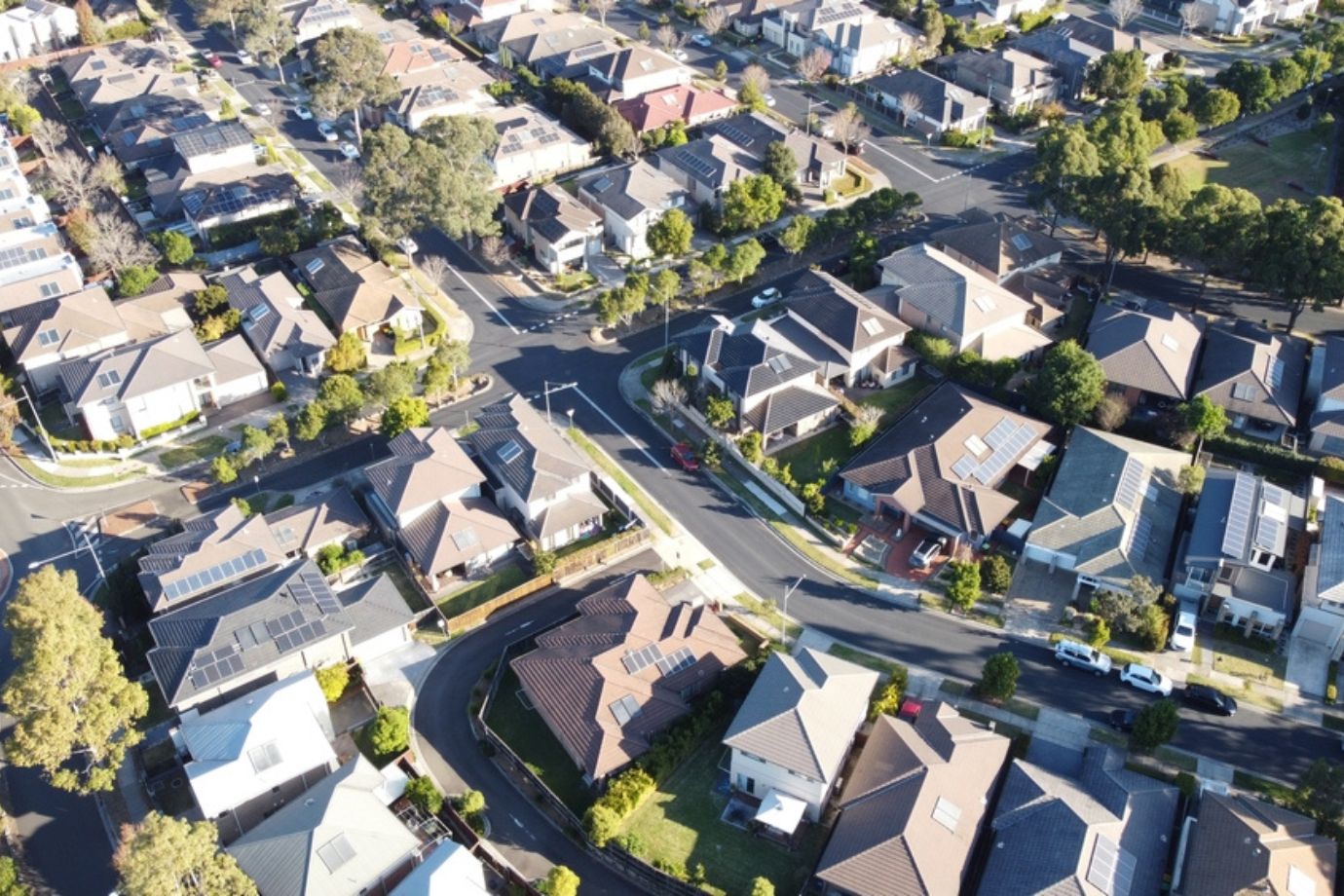
This paper explores the use of Housing First services for women experiencing homelessness, focusing on those aged 35 and over, who have multiple and complex needs.
- Research
This article explores the potential of co-design to facilitate an imagining of ontological security when designing safe, long-term and affordable housing with women who have experienced homelessness.
- Research
This study seeks to deepen understanding of the ethical tensions and emotional and embodied labor inherent in the work of service providers who work with pregnant and/or parenting women who are homeless, while advocating for structural reforms that support both client outcomes and provider well-being.
- Research
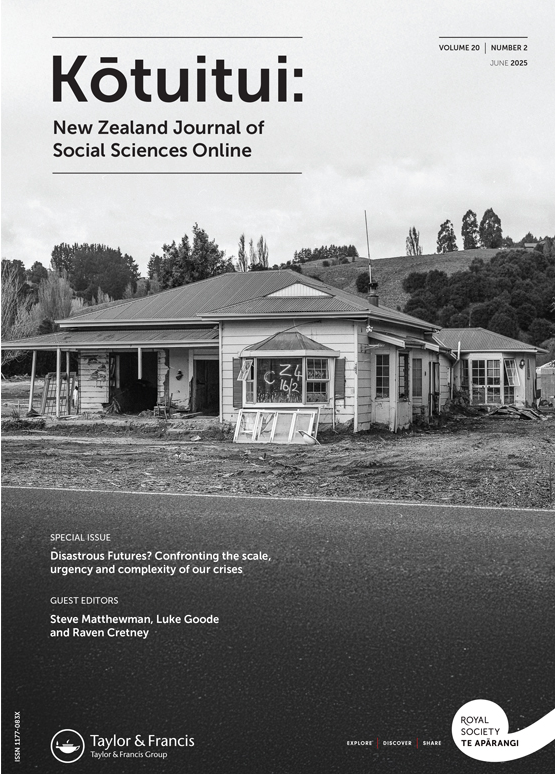
In a study on mothers’ experiences of a residential parenting and drug rehabilitation programme, housing was consistently discussed as crucial to recovery in terms of the ability of wāhine (women) to envision a secure future.
- Research
This study draws on face-to-face semi-structured interviews with 14 single mid-life (40-65 years) women living in private rental housing in Australia to gain insights into their experiences and the potential housing implications for older age.