
Health
- Research
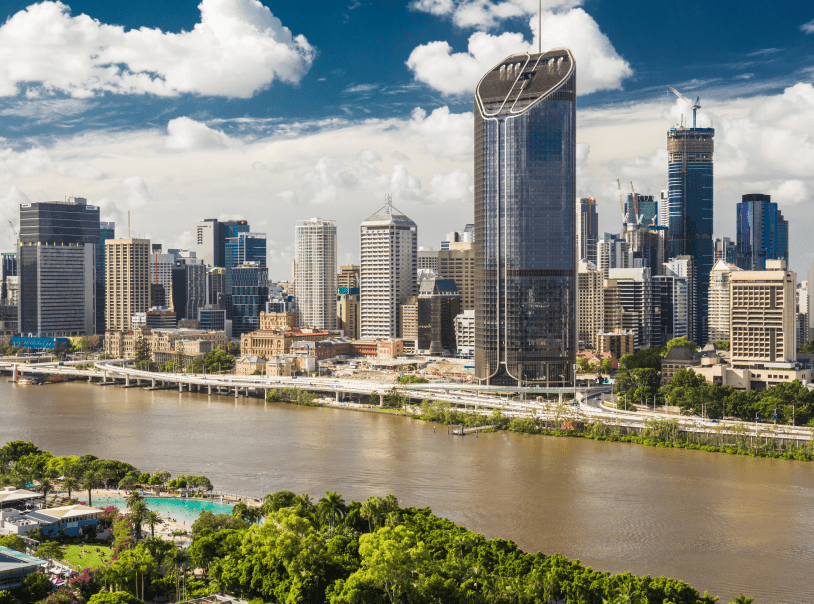
Regional and remote Aboriginal housing is not able to withstand climate change and will be unsuitable for future living, forcing people to consider migrating away from their traditional lands if nothing is done, research says.
- Research
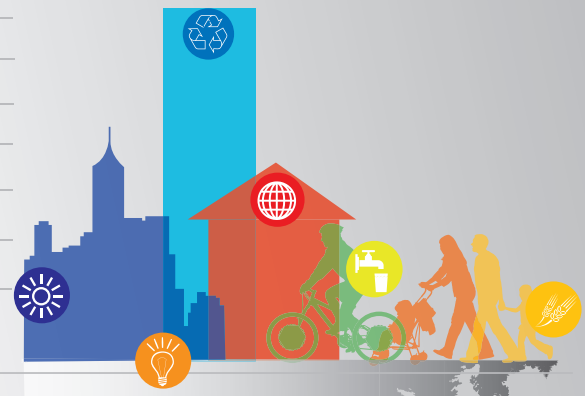
The built environments in which we live, work and play, have a critical role in shaping our health. The Healthy Built Environment Indicators presented here are based on this knowledge. The focus of the Indicators is on how the built environment supports physical activity (to reduce obesity, the risk of heart disease, some cancers and depression), social interaction (to reduce risk of mental illness, particularly depression), and the availability of healthy food (to reduce obesity and risk of heart disease and some cancers).
- Research
improving the experience of people with mental illness and their carers beyond the healthcare system, recognising that there are numerous gateways in the community through which people enter the mental health system and a range of services beyond healthcare — in particular, psychosocial services, housing and justice — that are important for an individual’s social and emotional wellbeing and recovery
- Research
This report, collated by the Australian Institute of Health and Welfare, provides contemporary evidence of the ‘gap within the gap’. It shows that Stolen Generations survivors aged 50 and over are more likely to be worse off than other Indigenous Australians of the same age on a range of health and socioeconomic outcomes.
- Research
“There can be little doubt COVID-19 has forever changed the public’s conception of government, human rights and what is possible…
- Research
It is widely recognised that Aboriginal and Torres Strait Islander peoples have been sustained for millennia by a holistic conception…
- Research
COVID-19 began to emerge during late 2019. The first recorded diagnoses in Australia appeared from 22 January 2020 and by 15 March 2020 there were nearly 300 confirmed cases. At this point community services including housing and homelessness services began to accelerate their efforts to adapt policies, procedures and practices to achieve these key objectives:
– Continuity of service delivery to vulnerable Queenslanders
– The health and safety of tenants and people who are homeless
– Workforce health and safety