

Home Homelessness Page 26
Homelessness

- Research
This year in the United States, approximately 500,000 people will not have their own homes to sleep in. Given a…
- Research
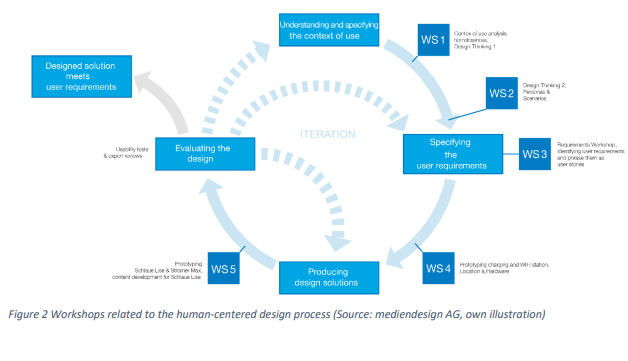
This paper reflects on an interdisciplinary and method triangulation approach for digital product development. The research project “Smart Inclusivity for homeless people” (SIWo), conducted by the Ohm, is cited as an example.
- Research
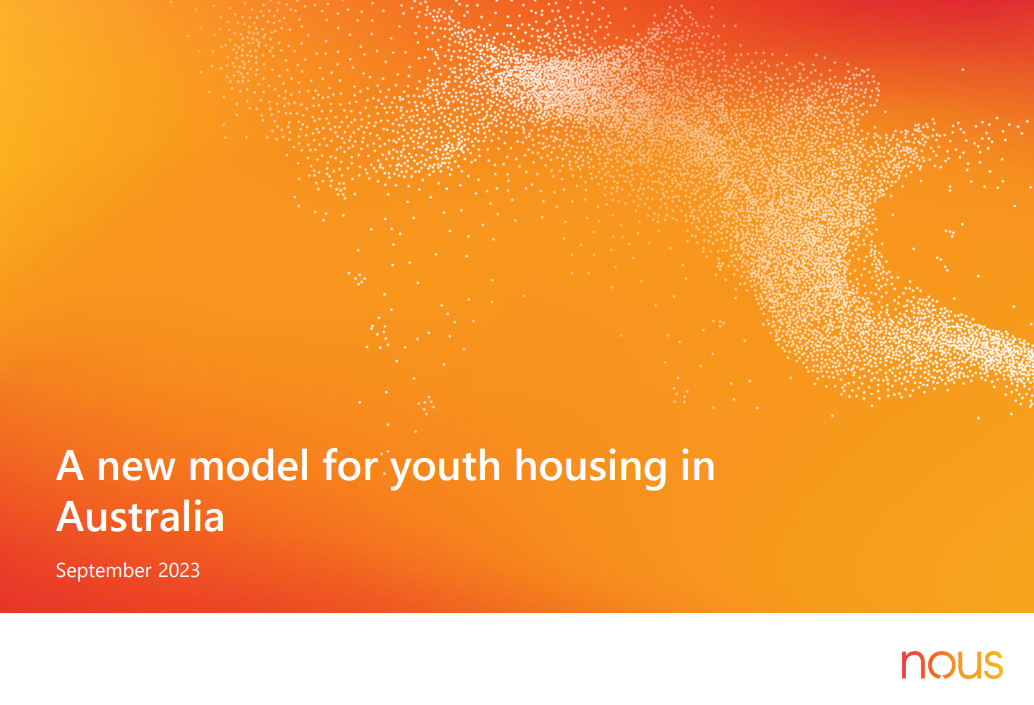
Youth housing and homelessness organisations are providing a framework for consideration in the design of a fit-for-purpose youth housing model.

- Research
Community-based organizations (CBOs) provide critical services to people experiencing homelessness and played a unique role in data collection throughout the COVID-19 pandemic. Through increased collaboration at all levels and coordinated action, improved data to better support the health of people experiencing homelessness is an achievable goal.

- Research
The objective of the paper is to conceptualise how social housing impacts the life of tenants and how it affects their social mobility.
- Research
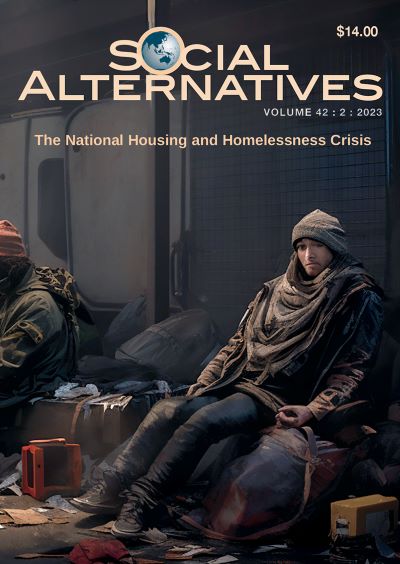
The current housing and homelessness crisis impacting all Australian states and territories is highlighting the complex range of social, economic and environmental factors impacting families at risk of, or experiencing homelessness. The research argues for an alternative critical social work and human rights approach to housing and homelessness and that more policy attention and research needs to be directed towards supporting families.
- Research
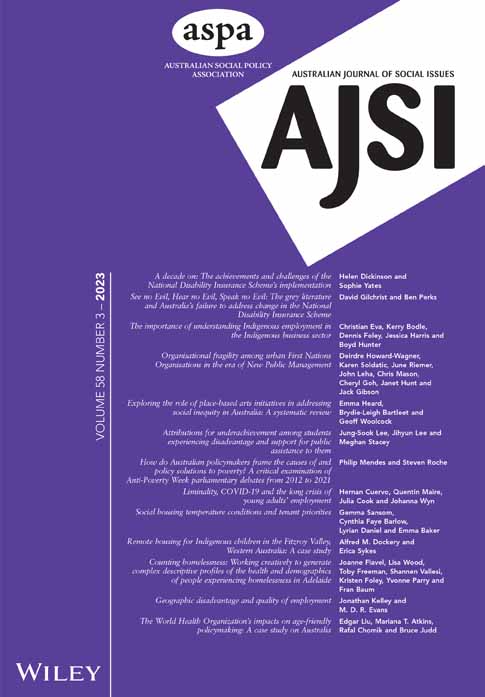
The involvement of people with lived experience is broadly recognised as beneficial, and possibly essential, to effective service and policy planning. However, in the field of homelessness service delivery, this has not been thoroughly researched. This study found that the homelessness services appear to have actively aspired to meaningful service user participation, however tensions for policy and practice remain.
- Research
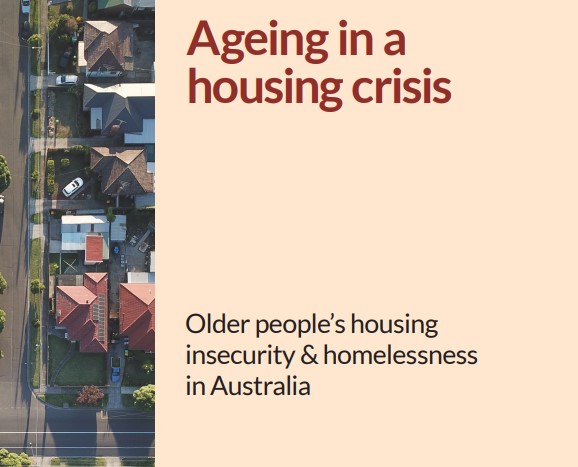
The Australian population is ageing. 2021 Census shows that the Australian population is ageing, continuing a long-running trend. Urgent action is needed so that all older people in Australia can access secure, affordable housing.