

Policy

- Research
The main research aims were to facilitate social housing upgrading processes focusing on the delivery of value for users, achieving end-user empowerment, as well as assessing participatory decision-making through Living Labs.
- Research
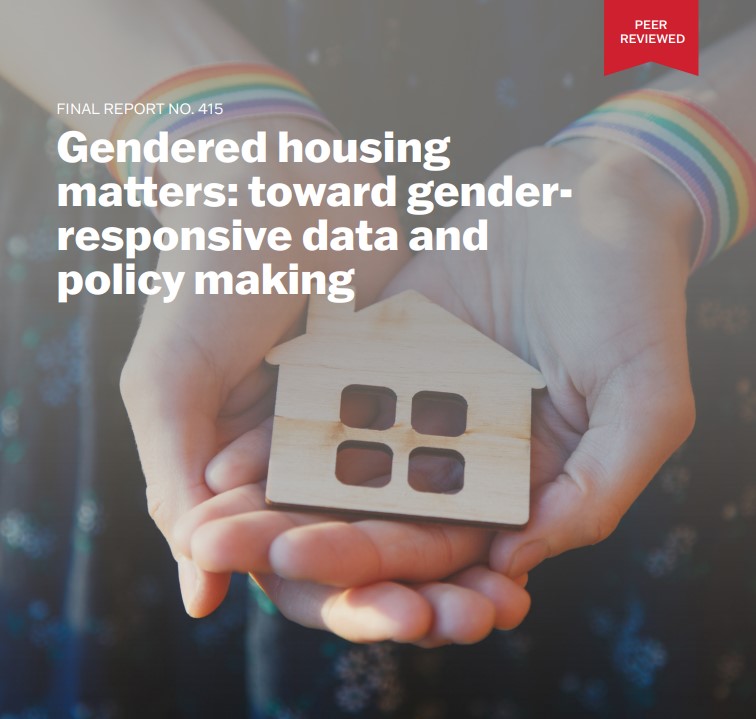
Explores the impacts of gender in understanding housing and homelessness issues and shows that people’s housing opportunities, pathways, assistance and outcomes are affected by their gender.
- Research
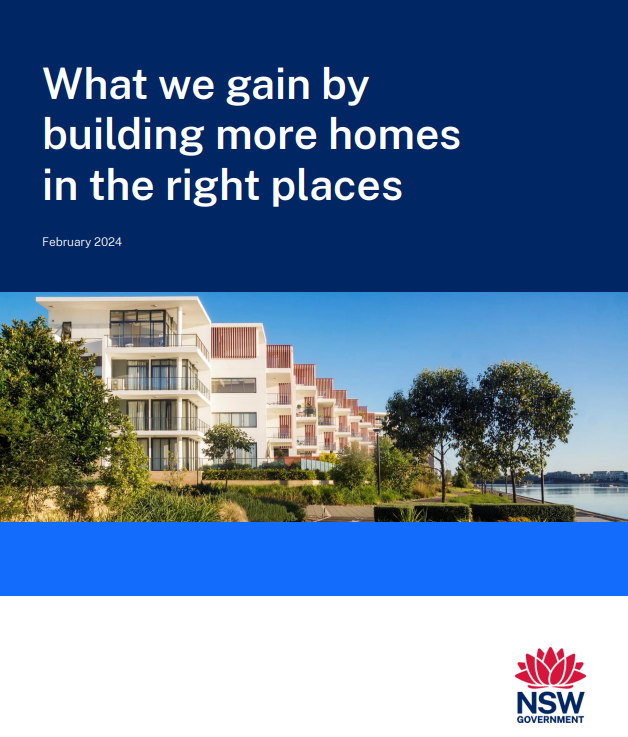
This paper is part of a NSW Productivity Commission series on how to make housing more affordable and make the best use of Sydney’s infrastructure.

- Research
This chapter presents a case study of the United States’ federally led mission to eradicate homelessness, focusing on the early twenty-first century.
- Research
In this overview, we highlight structural and individual risk factors that can lead to homelessness, explore evidence on the relationship between homelessness and health, discuss programmatic and policy innovations, and provide policy recommendations.
- Research
This paper compares shifts in tenure (restructuring of rental sectors), housing conditions (affordability and precarity), and alternative housing situations (parental co-residence), between income groups in two contexts: Australia and the Netherlands.

- Research
Demand-side policy settings designed to lift home ownership rates over the past four decades, have in fact worsened costs for first home buyers in Australia. From a policy perspective, a systemic fall in home ownership is likely to place increasing fiscal pressure on governments and may exacerbate existing economic inequalities as individuals age.
- Research
Housing is a complex system and we argue that thinking about the separate components of housing in isolation, we are unable to consider the resiliency of housing as a whole system. The purpose of this paper is to inform and help structure resilient housing policy and strategy development in SEQ.