

Home Research / Reports Page 12
Research / Reports
- Research
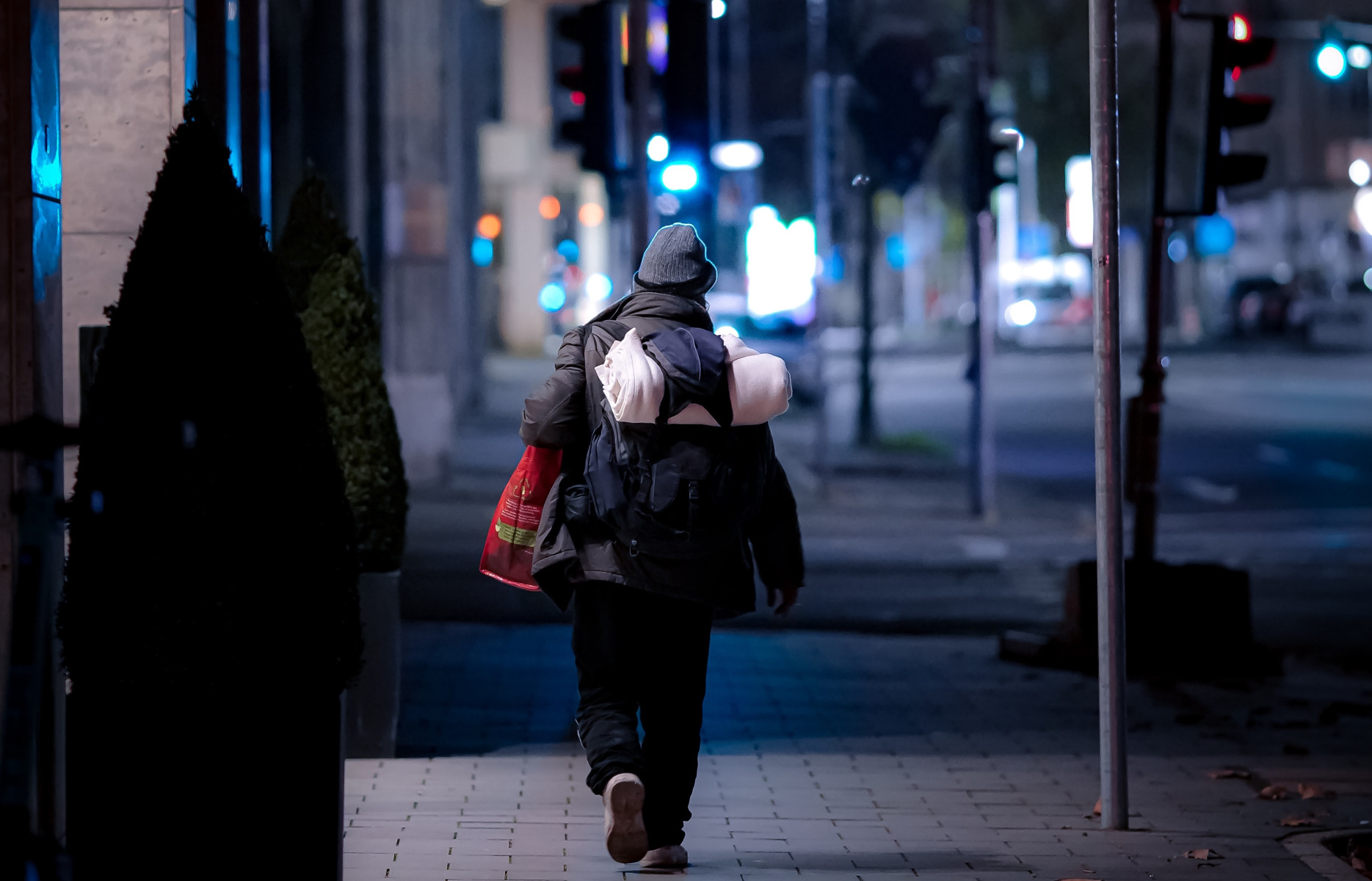
Boredom and meaningful activity are important outcomes that require focused attention in services designed to support individuals during and following homelessness. Attention to this construct in future research, practice, and policy has the potential to support the well-being of individuals who experience homelessness, and to contribute to efforts aimed at homelessness prevention.
- Research
Home in Place has made a submission to the Everybody’s Home People’s Commission. The People’s Commission into the Housing Crisis provides a platform for everyday people and organisations to share their stories of housing insecurity. The testimony will culminate in a series of recommendations to fix Australia’s housing crisis. Home in Place’s submission provides insights into the housing crisis, its flow-on effects, and the steps that governments can take to solve the crisis.
- Research
Globally, education systems are faced with dual workforce crises: a shortage of teachers and a lack of affordable housing. Attracting and retaining teachers through improved renumeration, working conditions, and quality preparation have been central. However, initiatives to attract and retain teachers mean little if the workforce cannot find appropriate (quality and affordable) housing within commuting distance to their workplaces.
- Research
Unsheltered homelessness is an increasingly prevalent phenomenon in major cities that is associated with adverse health and mortality outcomes. This creates a need for spatial estimates of population denominators for resource allocation and epidemiological studies. Our study shows that alternative data sources can contribute timely insights into the state of unsheltered homelessness throughout the year and inform the delivery of interventions to this vulnerable population.

- Research
Rooted in my upbringing in the South Bronx and informed by my extensive equity-focused research on housing, energy, and health, alongside practical experience in small-scale, place-based real estate, I advocate for a more nuanced and holistic approach to understanding and achieving “sustainable affordable housing.” By challenging the conventional emphasis on environmental and economic sustainability, I argue that social realities must also take precedence in this endeavor.
- Research
Urban poverty and homelessness keep growing while investments in health-promoting services and public infrastructure, including drinking water, sanitation and hygiene (WASH) have been decreasing. We used a mixed-method approach to collect data from 45 unhoused individuals in Germany identifying individual, infrastructure-specific, and location-based solutions to improve public WASH. Suggestions included adapting existing infrastructure, opening up existing, but inaccessible and constructing new inclusive infrastructure. Proactive, long-term sustainable solutions were preferred over reactive short-time options. Realizing safe WASH for all requires collaboration between homeless communities, governmental bodies, NGOs, businesses, and sanitation experts.
- Research
Lived expertise (LE) is a valuable form of expertise that can lead to more effective policymaking. Existing research points to important mechanisms for where and how to include LE. In this article, we bring the discussions together and ground them in the Canadian case of homelessness.
- Research
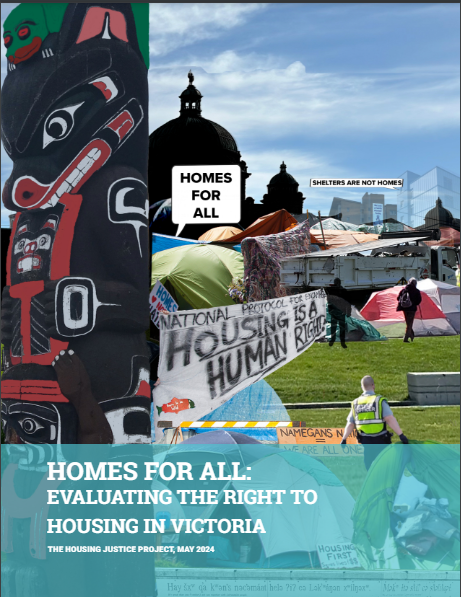
Homelessness in Victoria (Canada) is often invisible and too many government responses focus on keeping people out of sight and out of mind, rather than moving people into housing that meets human-rights standards.