

Home Research / Reports Page 2
Research / Reports
- Research
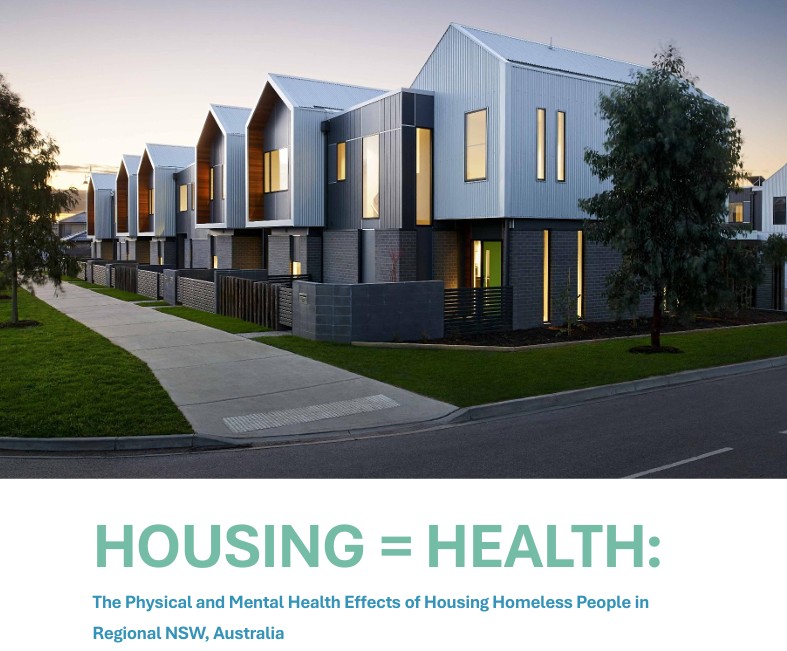
This research report presents key findings from a mixed-methods study investigating the physical and mental health effects of housing previously homeless individuals in regional New South Wales.
- Research
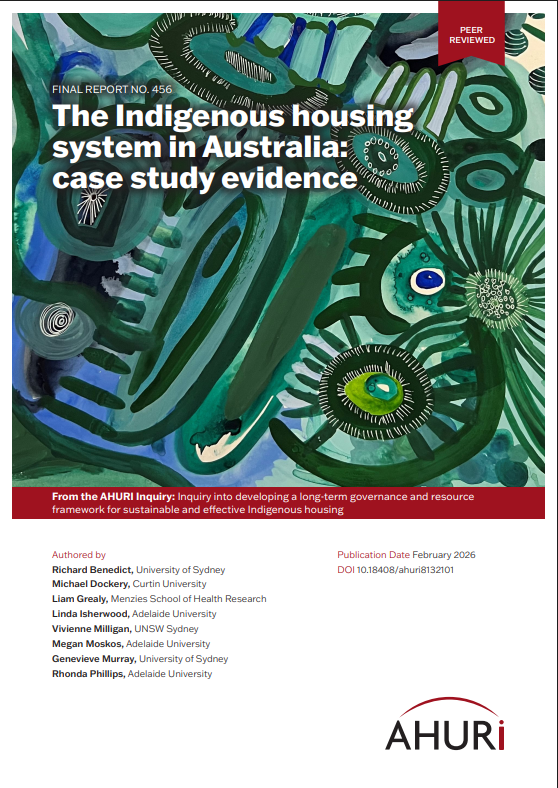
From the AHURI inquiry: Inquiry into developing a long-term governance and resource framework for sustainable and effective Indigenous housing. What…
- Research
This is a rapid review of literature on transitional supportive housing for veterans, and a co-design of the RSL LifeCare Homes for Heroes program.
- Research
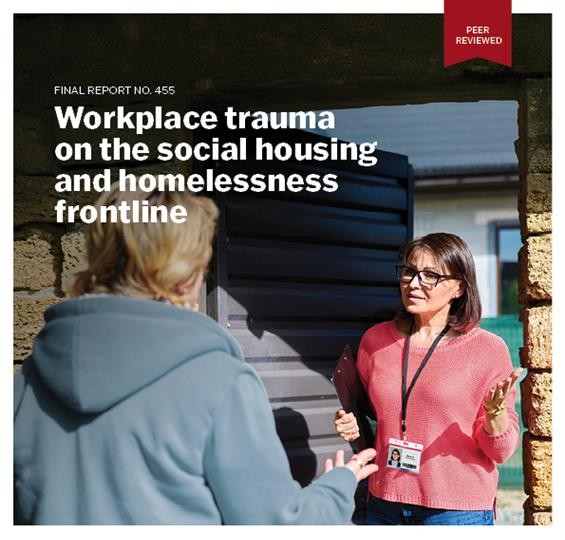
This research explores workplace trauma in Australia’s social housing and homelessness services, including its extent, causes and impacts, and examines current practices to address this trauma, options to mitigate it, and guiding principles for response.
- Research
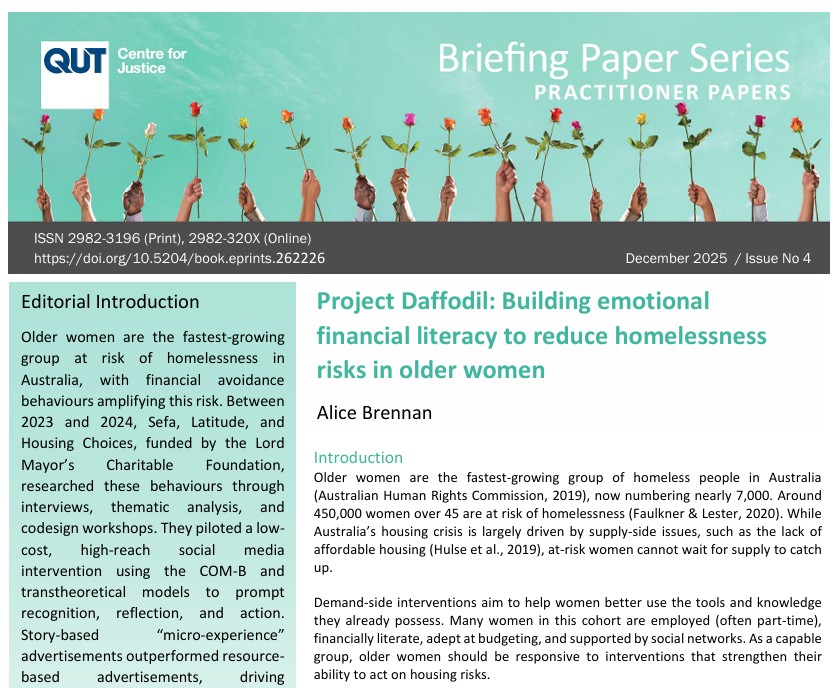
Older women are the fastest-growing group at risk of homelessness in Australia, with financial avoidance behaviours amplifying this risk. Between 2023 and 2024, Sefa, Latitude, and Housing Choices, researched these behaviours and piloted a low cost, high-reach social media intervention using the COM-B and transtheoretical models to prompt recognition, reflection, and action.
- Research
This study examines how homelessness is represented on TikTok through a summative content analysis on the top 200 TikTok videos with the hashtag #homelessness on July 15, 2022.
- Research
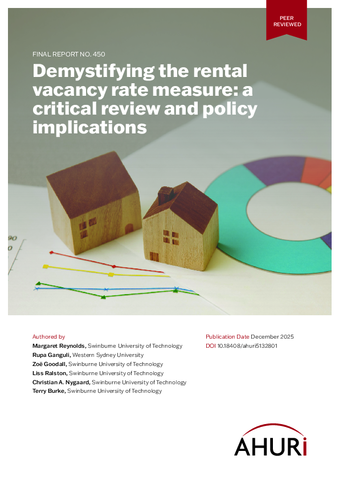
This research is the first critical analysis of the Australian private rental vacancy rate (RVR) — an important, but often unquestioned, housing market signal. It investigates the different methodologies, strengths and limitations of the measure, and how it is used and interpreted.
- Research
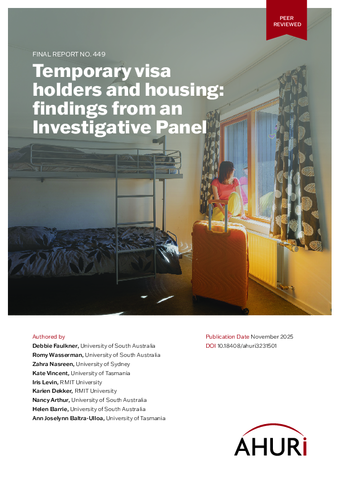
This research explores the impact of Australia’s housing crisis on temporary migrants. It examines how housing challenges affect temporary migrants’ wellbeing, their ability to contribute economically, and the distinct housing issues they face.