

Home Research / Reports Page 23
Research / Reports

- Research
Annual research tracks rental affordability across Australia and highlights the experiences of disadvantaged households. The annual rental affordability index (RAI) report is an easy to understand indicator of rental affordability relative to household incomes. It is a crucial tool for policy-makers to track rental affordability trends and inform evidence-based policy responses.

- Research
NHFIC’s first report into the State of the Nation’s Housing and was developed in consultation with a wide range of stakeholders across industry, government and academia.
- Research
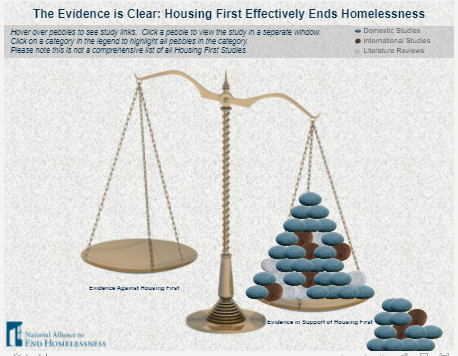
Housing First is a homeless assistance approach that prioritizes providing permanent housing to people experiencing homelessness, thus ending their homelessness and serving as a platform from which they can pursue personal goals and improve their quality of life.
- Research
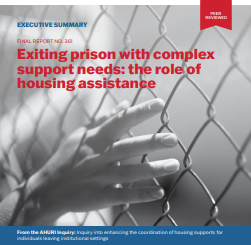
This research examined policies and programs relevant to the housing pathways of ex-prisoners with complex support needs in NSW, Victoria and Tasmania, including what benefits result from current housing assistance settings.
- Research
Aboriginal and Torres Strait Islander Stolen Generations aged 50 and over research finds show that the Stolen Generations aged 50 and over are more likely to be worse off than other Indigenous Australians of the same age on a range of health and socioeconomic outcomes. These results are consistent with a previous Australian Institute of Health and Welfare (AIHW 2018a) report which analysed a similar set of outcomes for the Stolen Generations aged 50 and over from an earlier 2014–15. survey.
- Research
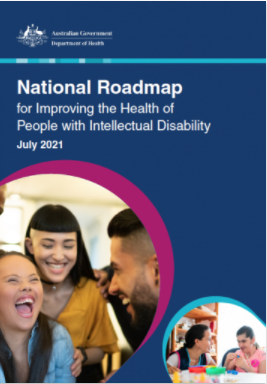
The health and wellbeing of people with an intellectual disability are influenced by a range of factors, including access to health care, disability support services, education, employment, and housing.

- Research
This report, collated by the Australian Institute of Health and Welfare, provides contemporary evidence of the ‘gap within the gap’. It shows that Stolen Generations survivors aged 50 and over are more likely to be worse off than other Indigenous Australians of the same age on a range of health and socioeconomic outcomes.
- Research
This report finds that the additional social housing dwellings announced by the NSW Government since 2016 are insufficient to address the current high numbers of people waiting to access social housing. Despite the NSW Governments commitments through Future Directions for Social Housing, the 2020-21 NSW Budget and the Community Housing Innovation Fund, both social housing total expenditure per capita and social housing as a proportion of total housing stock are in decline in NSW.