

Home Research / Reports Page 22
Research / Reports
- Research
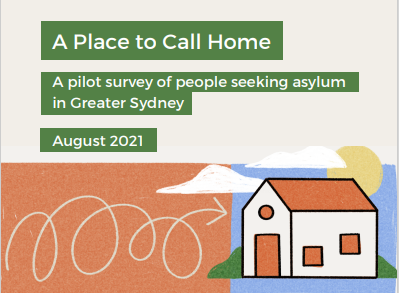
This survey asked people seeking asylum about their housing and homelessness experiences since arriving in Australia and also about their income, employment, and the impact of COVID-19 restrictions of March 2020.
- Research
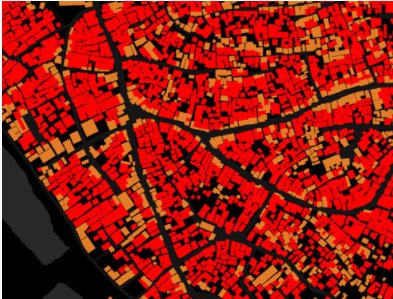
This research is not just a question of cracking these informal morphogenic codes but of understanding the self-organizing practices through which they are developed and enforced. The key is to recognize informality not as a synonym for ‘slum’ but as a mode of production with varying levels of control by the urban poor.
- Research
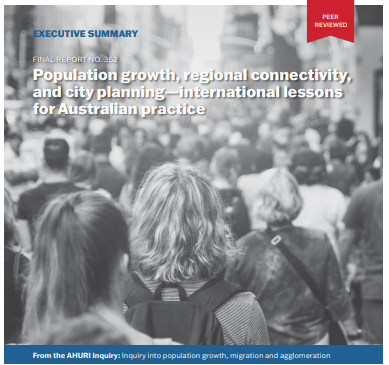
This research investigated the potential for Australia’s regional areas to attract and sustain population and economic growth, examining whether particular international strategies and Australian models for supporting development have been effective.

- Research
Tenancy sustainment-maintenance of a tenancy to avoid a premature end of tenure-is fundamental to the prevention of homelessness. Understanding what…
- Research
Social housing management refers to an overall goal designed to produce and allocate housing services on a needs basis. Social housing asset management concerns the asset management practices of jurisdictions engaged in providing and managing social housing stock. This usually includes acquisition, sale, stock transfer, renting, allocation, repairs and maintenance.
- Research
improving the experience of people with mental illness and their carers beyond the healthcare system, recognising that there are numerous gateways in the community through which people enter the mental health system and a range of services beyond healthcare — in particular, psychosocial services, housing and justice — that are important for an individual’s social and emotional wellbeing and recovery
- Research
A key focus of the evaluation was exploring how Mission Australia’s Cairns homelessness services work together, and with the broader Cairns homelessness sector, to achieve client outcomes.
- Research
his paper provides an update on some aspects of community housing financing in Australia and complementary measures needed to close the funding gap that exists for community housing.